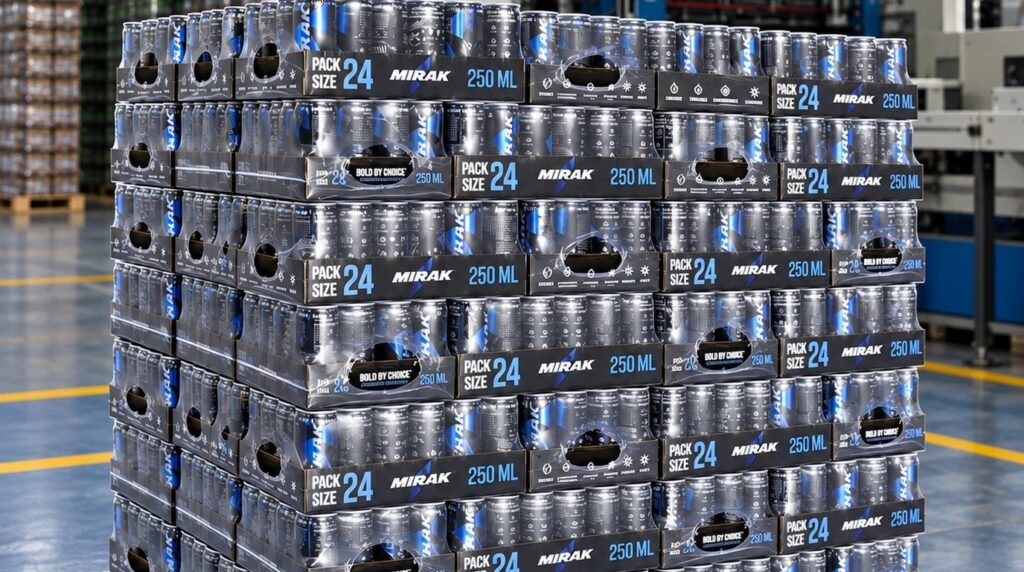
A formulation that tastes exceptional when poured fresh in an R&D lab may behave entirely differently after three months in a warm logistics warehouse. Stability testing is the systematic process of validating that flavour, colour, carbonation, and packaging remain pristine throughout the product’s commercial shelf life.
Accelerated Shelf-Life Testing (ASLT)
To predict a 9- to 12-month ambient shelf life without waiting a full year, our in-house laboratory uses accelerated thermal incubation:
- 37°C and 45°C Stress Chambers: Based on the Arrhenius reaction rate kinetics, keeping sealed cans at elevated temperatures for 6 to 12 weeks accelerates chemical reactions by a factor of 2x to 4x.
- Sensory Degradation Audits: Trained panelists evaluate aroma oxidation, browning, sweetness fading, and vitamin degradation at scheduled intervals.
Can Liner Compatibility and Enamel Ratings
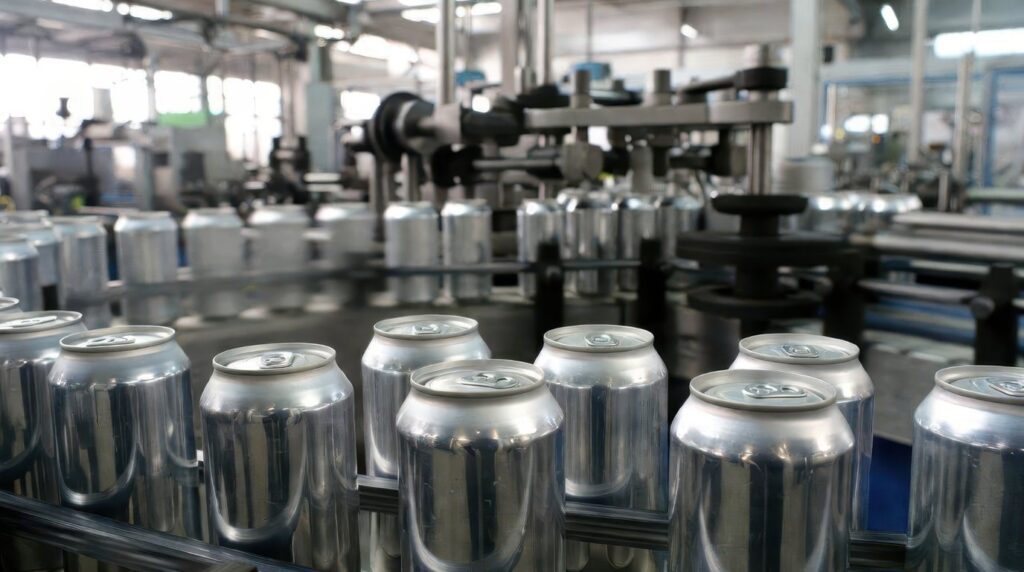
Aluminium beverage cans feature an internal polymer protective lacquer (BPA-NI or epoxy) preventing the acidic beverage from contacting the bare metal. During stability testing, we measure:
- Current Flow (Enamel Rating): Measures electrical conductivity through the beverage to detect microscopic pinholes in the internal lacquer coating.
- Aluminium Migration: Trace mineral analysis confirms zero chemical leaching between the formulation and the can wall.
Double Seam Integrity Teardown
The seam between the can body and the lid is the physical barrier preserving carbonation and preventing bacterial ingress. Every batch underwent destructive seam teardown checks measuring:
- Actual Overlap (>1.00 mm): Ensuring the body hook and cover hook interlock securely.
- Tightness Rating (>75%): Verifying zero seam wrinkles around the circumference.
- Countersink Depth and Seam Thickness: Calibrated with optical seam projection cameras.
Only after full chemical, microbiological, and packaging stability clearances are logged does a formulation graduate to commercial volume production.