In high-speed beverage canning, Minimum Order Quantities (MOQs) are often the single biggest barrier facing emerging drink brands. Understanding why MOQs exist—and how structured pilot runs work—is vital to managing early cash flow.
The Mechanical Reality of High-Speed Canning
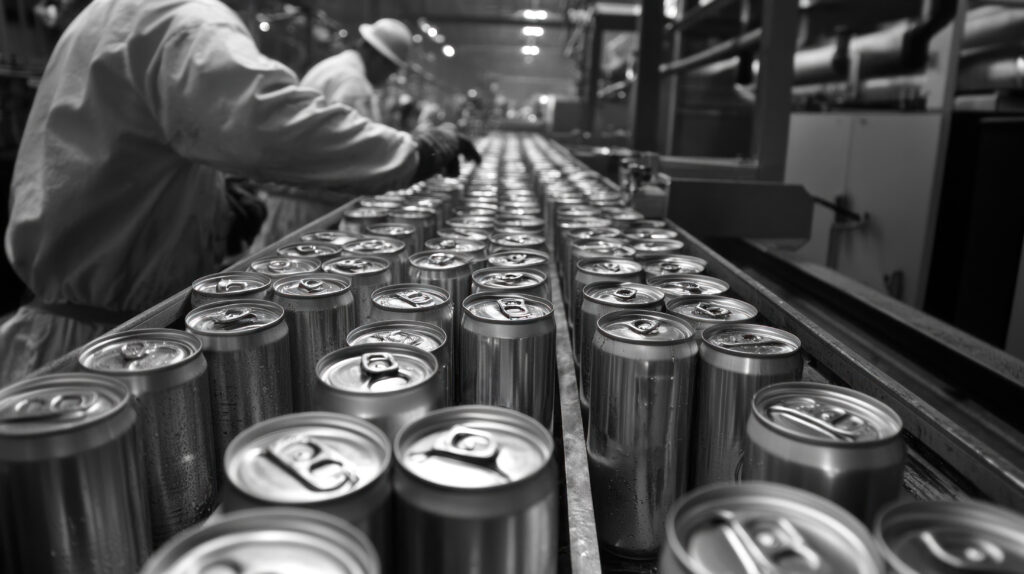
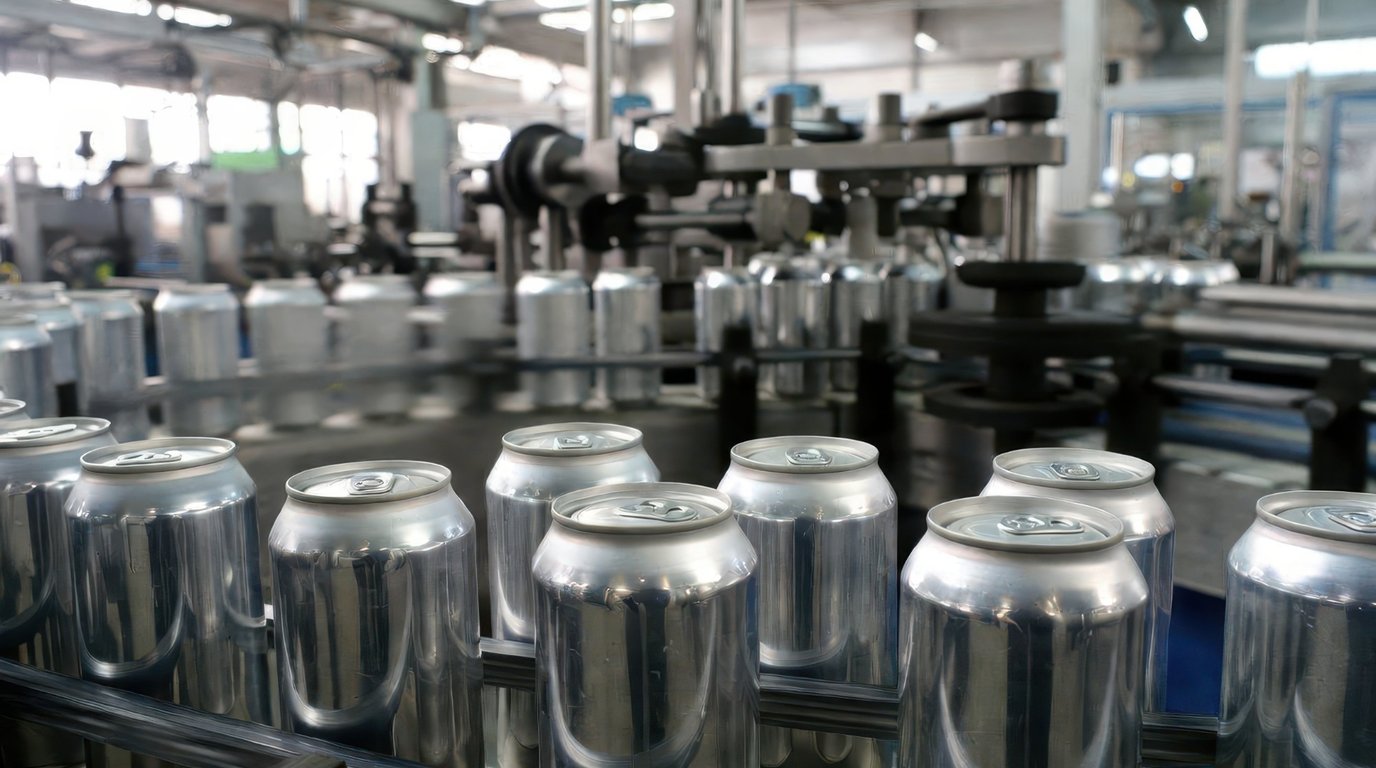
Industrial canning lines running 7,200 to 12,000 cans per hour require extensive setup protocols before a single commercial drop is sealed:
- CIP (Clean-in-Place) Sanitisation: High-temperature caustic and acid wash cycles ensure zero cross-contamination between products.
- Deaeration and Carbonation Equilibration: Water deaeration and in-line carbo-cooler calibration require steady-state liquid volume to stabilize carbonation pressures.
- Seamer Calibration: Double-seam micrometers must inspect and log seam thickness, body hook, and cover hook before full-speed production clears.
Because these preparatory steps consume substantial time and utility overhead, conventional contract plants set minimum order quantities at 50,000 to 100,000 cans per SKU.
How Koladiya Industries Solves the MOQ Barrier
We engineered our batching and CIP infrastructure specifically to support agile pilot batching starting at 12,500 units. This enables brands to:
- Conduct genuine retail shelf validation without capital waste.
- Supply trade samples to major supermarket category buyers.
- Verify real-world distributor turnover and customer taste feedback.
- Refine packaging artwork and label positioning before investing in 200,000-can volume runs.
“A 12,500-can pilot batch provides enough product for 500 store shelves or regional distribution, while preserving working capital for marketing and sales execution.”