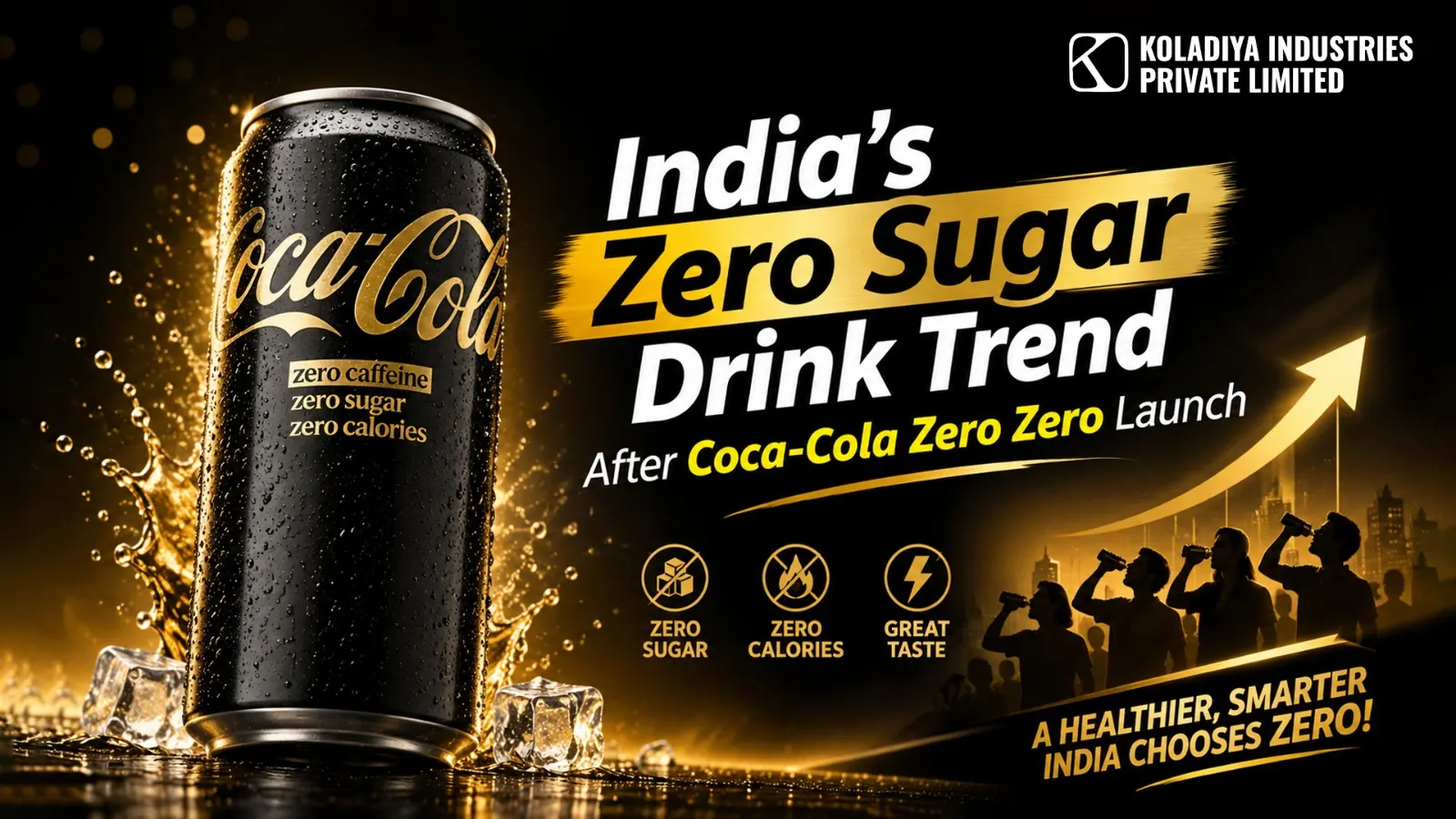
India’s beverage industry is entering a new phase as consumers explore drinks with less sugar, fewer calories, and different nutritional profiles. As awareness of sugar consumption grows, beverage companies are expanding their portfolios with zero-sugar and low-calorie alternatives. A recent development bringing further attention to this category is Coca-Cola’s launch of Coca-Cola Zero Zero in India. The new beverage combines zero sugar, zero caffeine, and zero calories, creating another option for consumers seeking a different cola experience. This launch also highlights an important opportunity for Indian beverage brands to develop innovative drinks that match evolving consumer preferences.
1. Coca-Cola Zero Zero Enters the Indian Beverage Market
On 27 November 2026, Coca-Cola introduced its Zero Zero variant in India through the quick-commerce platform Zepto. The product initially became available in Bengaluru, Mumbai, Hyderabad, and Delhi-NCR, with a wider nationwide rollout planned.
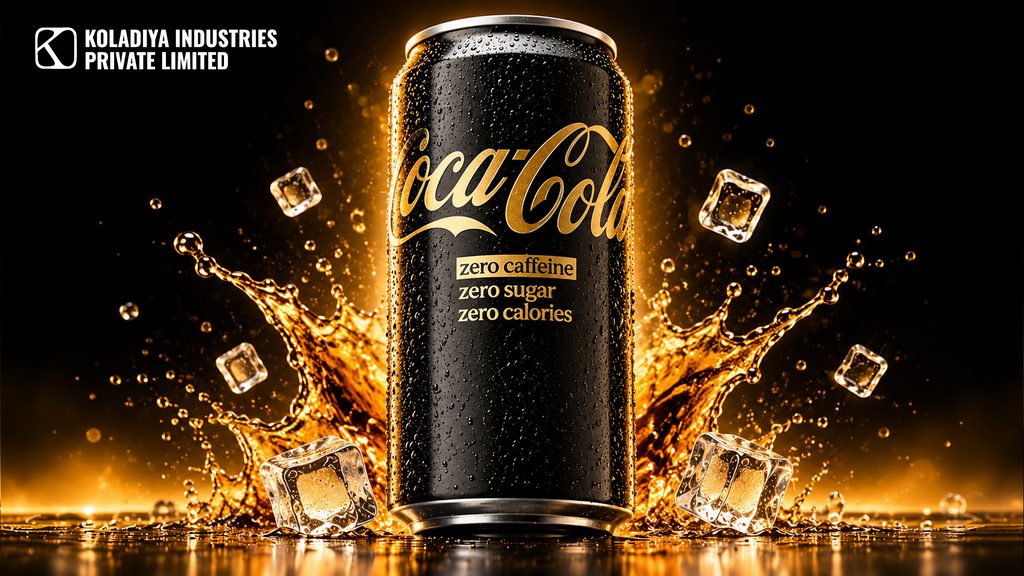
The product features three key attributes:
- Zero sugar
- Zero caffeine
- Zero calories
Unlike conventional cola drinks, this formulation targets consumers interested in enjoying cola without sugar or caffeine. Moreover, its introduction creates a new discussion around beverage choices, flavor innovation, and changing consumption occasions.
The launch follows Coca-Cola’s earlier introduction of the product in Thailand, reflecting the company’s interest in expanding its zero-sugar and caffeine-free beverage portfolio.
2. Why Zero Sugar Drinks Are Gaining Attention in India
The growing interest in zero-sugar beverages reflects changing consumer expectations. Today’s customers increasingly compare nutritional information, check sugar content, and explore alternatives to traditional soft drinks.
Industry developments also support this shift. According to an Economic Times report published in November 2026, PepsiCo’s low-sugar and zero-sugar beverage portfolio reached 88% of its reported sales volume in India during the July–September quarter, compared with 44% in the corresponding quarter of 2025.
This development highlights how major beverage companies are giving greater importance to reduced-sugar formulations.
Additionally, the expanding availability of Diet Coke, Coke Zero Sugar, Pepsi Black, and other sugar-free alternatives gives consumers more product choices across different price points and flavor preferences.
3. Zero Sugar, Zero Caffeine, and Low-Calorie Beverage Innovation
An important opportunity for beverage companies is to understand that zero sugar and zero caffeine represent different product characteristics.
Zero-sugar beverages: These products eliminate sugar from the formulation and use suitable alternatives to deliver sweetness.
Caffeine-free beverages: These drinks offer refreshment without caffeine, creating opportunities for new consumption occasions.
Low-calorie drinks: These products aim to reduce their overall calorie contribution while maintaining flavor and consumer appeal.
Brands can combine these attributes to develop differentiated beverage concepts. However, manufacturers must carefully evaluate their ingredients, nutritional composition, and final product claims before commercial production.
4. New Opportunities for Indian Beverage Brands
The zero-sugar trend creates opportunities for startups, private-label companies, and established FMCG brands.
Rather than limiting innovation to cola products, businesses can explore several beverage categories:
- Zero-sugar carbonated soft drinks.
- Sugar-free flavored sparkling water.
- Caffeine-free fruit-flavored beverages.
- Zero-sugar energy drink concepts.
- Low-calorie functional hydration drinks.
- Innovative sugar-free canned beverages.
Furthermore, brands can differentiate products through flavor combinations, packaging formats, and specific consumer preferences.
The opportunity lies in creating beverages that offer an enjoyable taste experience rather than simply removing sugar from an existing recipe.
5. Formulation Challenges in Zero Sugar Drink Manufacturing
Developing a successful zero-sugar beverage requires technical expertise and careful product development. Sugar contributes more than sweetness; it also influences mouthfeel, flavor balance, and the overall drinking experience.
Therefore, replacing sugar requires appropriate sweetener selection and flavor adjustment.
Beverage manufacturers should evaluate:
- Sweetener compatibility and aftertaste.
- Flavor balance and mouthfeel.
- Acidity and pH stability.
- Carbonation requirements.
- Ingredient interaction and shelf life.
- Processing conditions and packaging compatibility.
In addition, brands should conduct suitable laboratory testing, nutritional analysis, and shelf-life evaluations. These steps help ensure consistent product quality before scaling up commercial production.
6. The Role of Beverage R&D and Contract Manufacturing
As demand for innovative beverages grows, brands need reliable partners who understand formulation and commercial manufacturing.
Koladiya Industries supports beverage R&D, customized formulation, flavor development, and contract manufacturing requirements. These capabilities provide a starting point for businesses exploring new beverage concepts, including zero-sugar carbonated drinks, energy beverages, and other customized formulations.
By working with a suitable manufacturing partner, brands can evaluate product concepts, refine taste profiles, select appropriate packaging, and prepare for commercial production.
Conclusion
Coca-Cola Zero Zero’s Indian launch marks another important development in the country’s evolving beverage market. Combined with the growing presence of low-sugar and zero-sugar products, it highlights changing expectations around sweetness, calories, and caffeine. For Indian beverage startups and established brands, this trend creates opportunities to introduce differentiated products supported by strong formulation, flavor development, and manufacturing capabilities. The next generation of successful beverages will depend on delivering the right combination of taste, product quality, and consumer appeal.