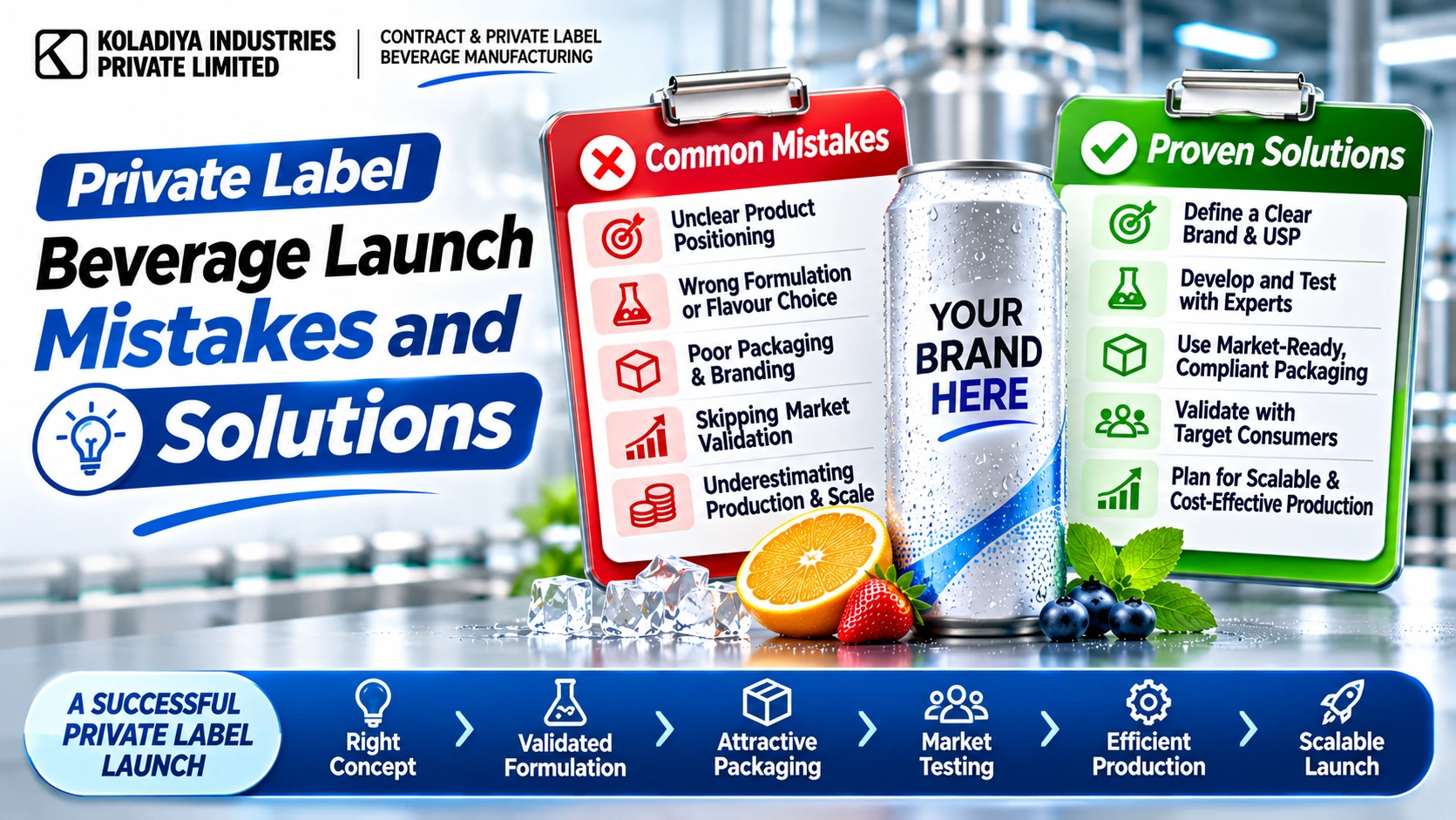
Launching a beverage under your own brand creates an exciting business opportunity. However, turning an attractive product idea into a successful market-ready beverage requires much more than choosing a flavour and designing a label. Brands must also manage product formulation, ingredient selection, manufacturing capacity, packaging, quality control, production costs and market positioning. A Private Label Beverage launch involves several connected decisions. A mistake during the early stages can lead to formulation problems, delayed production, unexpected expenses and customer dissatisfaction. These challenges can become even more significant when developing energy drinks, carbonated soft drinks, sparkling water, tonic water or other functional beverages.
Beverage startups and established businesses should approach product development with a clear strategy and the right manufacturing partner. By identifying common mistakes early, brands can reduce development risks, improve product consistency and prepare for commercial production. This article explores the most common private-label beverage launch mistakes and practical solutions to help businesses develop and launch competitive beverage products.
1. Poor Product Planning Before Launch
The biggest mistakes businesses make involves starting product development without a clear product plan. Some brands focus immediately on packaging, branding or flavour preferences without defining their target customers, product category or market positioning.
Consequently, the development team may struggle to create a formulation that meets the brand’s actual requirements.
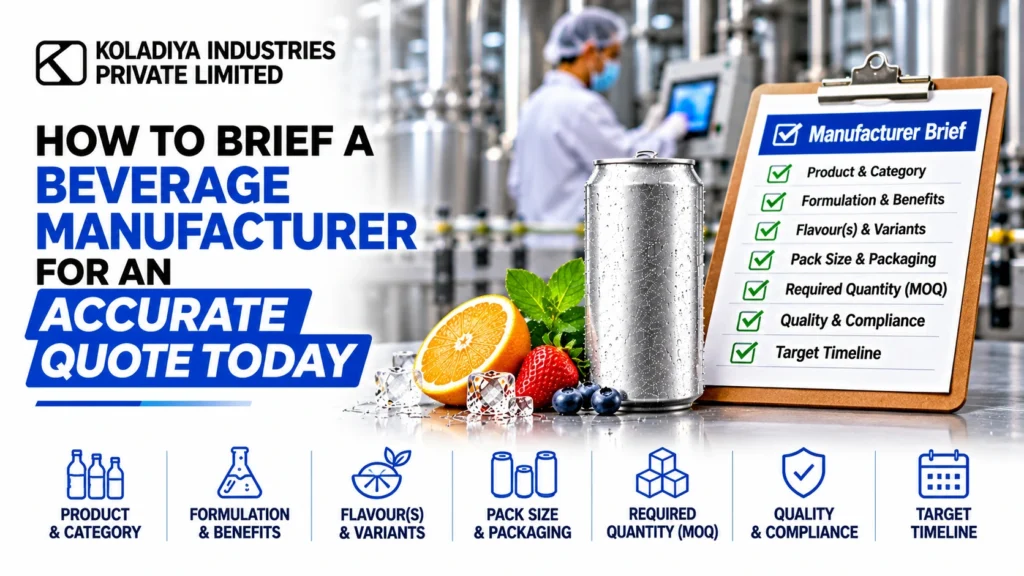
Solution: Define your product concept before approaching a manufacturer. Establish the beverage category, target audience, expected price range, flavour profile, packaging format and intended sales channels. For example, an energy drink brand should determine whether it wants to target fitness consumers, young professionals or customers seeking convenient energy beverages.
A clear product brief helps the manufacturing partner understand your expectations and recommend a suitable development approach.
2. Choosing the Wrong Private Label Beverage Manufacturer
Selecting a manufacturer based only on the lowest quotation can create long-term challenges. A supplier may offer attractive prices but lack the formulation expertise, production equipment or quality-control processes required for your beverage category.
Furthermore, not every manufacturer handles every beverage type. Energy drinks, carbonated soft drinks, sparkling water and functional beverages may require different ingredients, processing methods and production capabilities.
Solution: Evaluate manufacturers according to their technical capabilities, product-development support, manufacturing infrastructure, packaging options and quality-control procedures.
Before finalising a partnership, discuss your product specifications, production requirements, minimum order quantity (MOQ), expected timelines and future scalability. A capable manufacturing partner should understand your business objectives instead of simply processing an order.
3. Ignoring Formulation and Ingredient Compatibility
An attractive beverage concept does not automatically produce a stable, enjoyable product. Some brands select ingredients individually without checking how they interact within the final formulation.
For instance, sweeteners, flavour compounds, acids, colours and functional ingredients can influence taste, appearance and product stability. In energy drinks, caffeine, sweeteners, vitamins, flavouring agents and acidity regulators require careful formulation consideration.
Solution: Work with an experienced beverage formulation and R&D team. Evaluate ingredient compatibility during the development stage and test the complete formulation rather than relying on individual ingredient specifications.
Additionally, conduct appropriate stability and sensory evaluations before approving the final recipe. This approach helps brands identify formulation issues before commercial manufacturing begins.
4. Selecting Energy Drink Ingredients Without a Clear Strategy
Energy drinks require particular attention because consumers expect a balanced flavour, consistent product experience and clearly defined product positioning. Some startups select caffeine levels, sweeteners, vitamins and flavour ingredients without considering the complete product profile.
As a result, the beverage may develop an excessively bitter taste, an unpleasant aftertaste or an unbalanced flavour.
Solution: Begin with a defined energy drink concept. Decide whether the product will focus on a traditional energy profile, a zero-sugar formulation, a fruit-inspired flavour or another positioning.
Then evaluate the compatibility of caffeine, sweeteners, acidity regulators, vitamins and flavouring ingredients through structured formulation trials. Also, review the applicable safety, labelling and product-claim requirements before finalising the formulation.
5. Neglecting Flavour Testing and Consumer Preferences
Flavour plays a major role in beverage acceptance. Nevertheless, some brands approve a product after testing only one or two samples. This approach may overlook differences in sweetness, acidity, aroma, carbonation and aftertaste.
For example, an energy drink might initially taste refreshing but develop an unpleasant aftertaste after consumption. Similarly, a sparkling beverage may deliver too much acidity or insufficient flavour intensity.
Solution: Develop multiple flavour samples and conduct structured sensory evaluations. Compare sweetness, aroma, mouthfeel, acidity, carbonation and aftertaste.
Where possible, collect feedback from people who represent your target audience. Their responses can help identify product improvements before the brand moves towards commercial production.
6. Choosing the Wrong Packaging Format
Packaging influences product presentation, storage, transportation and consumer convenience. However, some businesses select packaging based entirely on appearance or initial cost.
For example, an energy drink brand may prefer aluminium slim cans because they support a modern product presentation and convenient consumption. However, the manufacturer must also confirm compatibility with the beverage formulation, filling process, closure system and distribution requirements.
Solution: Select packaging after reviewing product characteristics and manufacturing capabilities. Consider:
- Packaging material and size.
- Container compatibility with the formulation.
- Filling and sealing requirements.
- Storage and transportation conditions.
- Label design and branding space.
- Packaging availability and total cost.
For carbonated beverages, also evaluate carbonation retention and package performance throughout the intended shelf life.
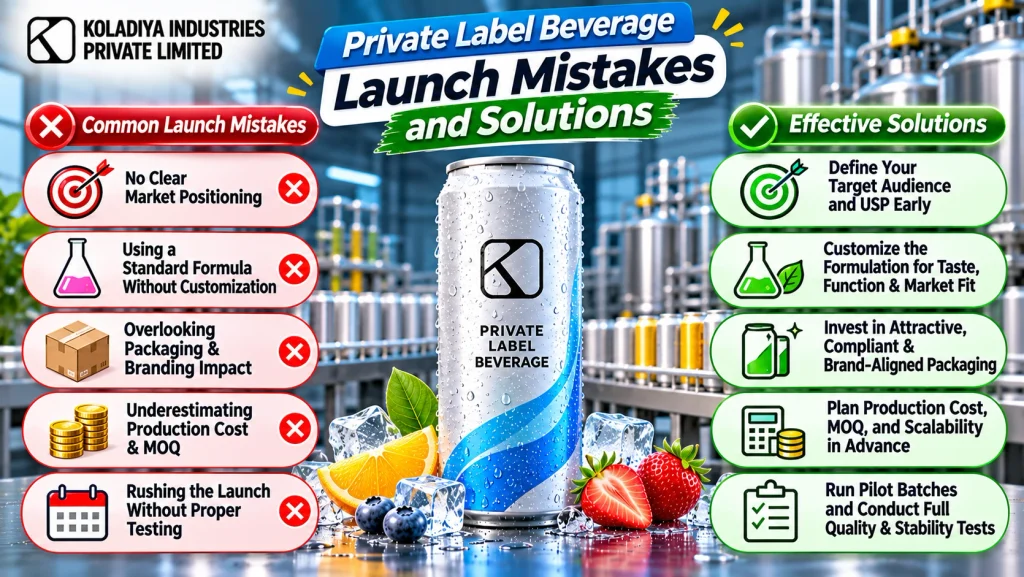
7. Underestimating Production Costs and MOQ
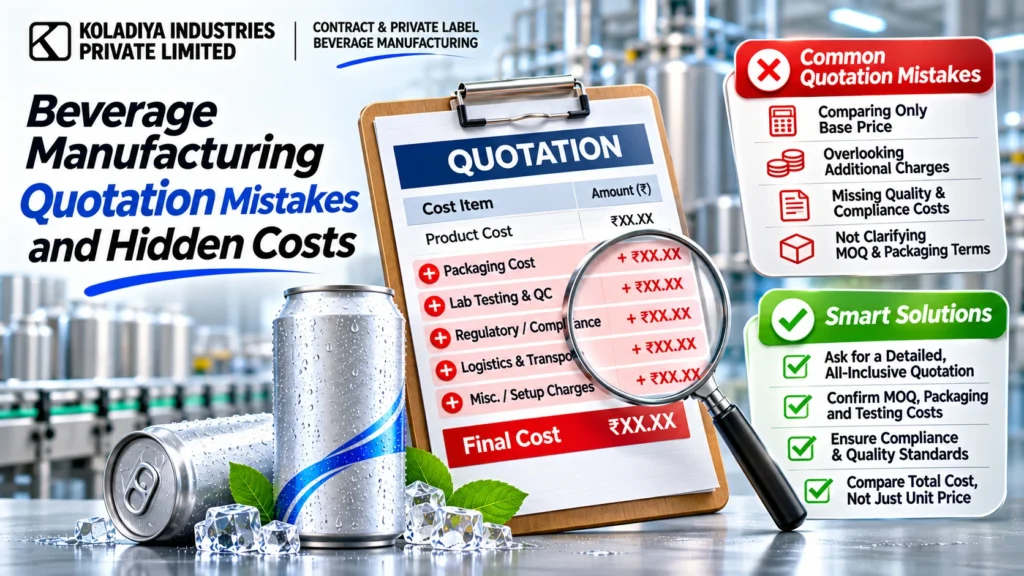
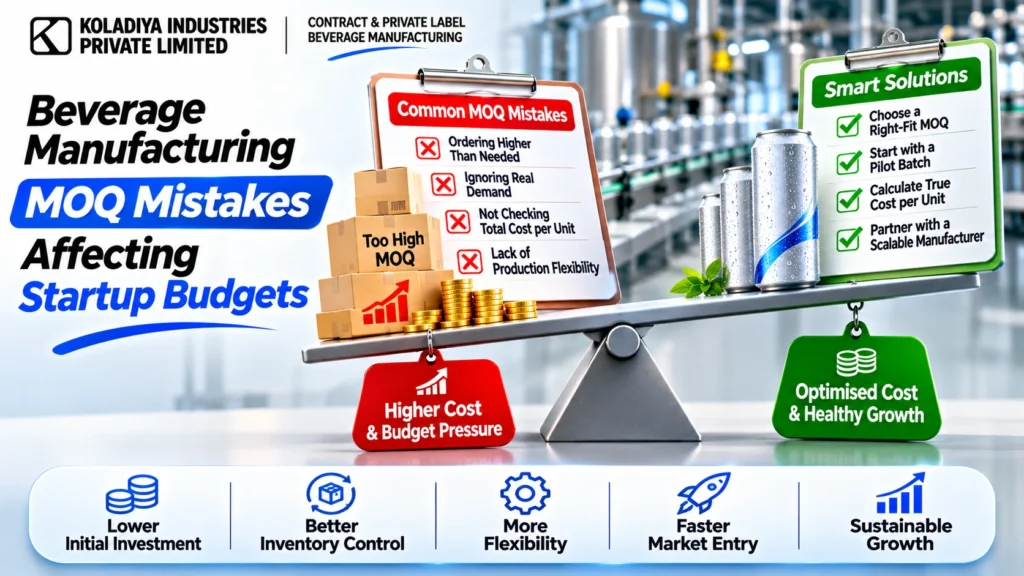
Another common launch mistake involves calculating product costs without considering the complete manufacturing process. Businesses sometimes focus only on the cost per can while overlooking ingredients, packaging materials, product development, testing, transportation and other operational expenses.
Consequently, the final product may exceed the planned budget and reduce the brand’s profit margin.
Solution: Request a detailed cost breakdown from your manufacturing partner. Review ingredient costs, packaging expenses, production charges, testing requirements, MOQ and logistics.
Moreover, calculate the estimated cost per finished unit and compare it with your expected selling price. Maintain a realistic budget for product development, initial inventory and market launch activities.
8. Skipping Pilot Batch Development
Moving directly from a laboratory sample to large-scale manufacturing creates unnecessary risks. A formulation that performs well in small trials may behave differently during commercial production because equipment, processing conditions and production volumes can influence the final product.
This challenge becomes especially important when scaling energy drinks and carbonated beverages.
Solution: Arrange a suitable pilot batch before committing to a larger production run. Use this stage to assess flavour consistency, processing performance, filling requirements, packaging compatibility and quality parameters.
Additionally, review the pilot batch results with the R&D and manufacturing teams. Resolve identified issues before approving full-scale production.
9. Ignoring Shelf-Life and Quality Testing
Some beverage brands concentrate on taste and appearance but overlook the importance of product stability. Without appropriate testing, a beverage may experience flavour changes, colour variations, carbonation loss or other quality problems during storage.
For an energy drink or carbonated beverage, these issues can affect the expected consumer experience.
Solution: Establish a suitable testing plan based on the beverage formulation, packaging and storage conditions. Evaluate relevant quality parameters, microbiological safety and product stability through appropriate testing procedures.
Furthermore, work with qualified technical professionals to establish a scientifically supported shelf-life period. Do not select an expiry date simply because competitors use a similar timeline.
10. Overlooking Labelling and Compliance Requirements
Incorrect product labels can create avoidable launch delays and compliance risks. Some businesses finalise their packaging artwork before confirming ingredient declarations, nutritional information, product claims and other applicable labelling requirements.
Energy drinks require additional attention because ingredient information and product claims must accurately reflect the finished formulation.
Solution: Review the applicable food-safety, packaging and labelling requirements before approving the final artwork. Verify ingredient declarations, nutritional information, product names, claims and mandatory label details with qualified compliance professionals.
In addition, ensure that marketing statements accurately represent the product. Avoid unsupported claims about energy, health, performance or nutritional benefits.
11. Failing to Plan for Future Production Scaling
A product launch may begin with a limited production quantity. However, demand can increase as the brand enters new markets or expands its distribution network. Some businesses select manufacturers without checking whether they can support higher production volumes.
This situation can create supply interruptions, inconsistent product quality and difficulties managing repeat orders.
Solution: Discuss future manufacturing requirements before signing an agreement. Understand available production capacity, ingredient sourcing arrangements, packaging supply and the manufacturer’s ability to manage increasing order volumes.
A scalable manufacturing strategy helps brands prepare for growth without compromising product consistency.
12. Weak Communication With the Manufacturing Partner
Miscommunication can affect nearly every stage of a beverage launch. Unclear product specifications, delayed approvals and incomplete technical information can lead to incorrect samples, repeated revisions and production delays.
Solution: Maintain clear communication throughout product development and manufacturing. Share a detailed product brief, approve written specifications and document important decisions.
Establish clear responsibilities for formulation approvals, packaging artwork, testing, production schedules and quality checks. Regular discussions between the brand and manufacturing teams can help prevent misunderstandings.
How Koladiya Industries Supports Private Label Beverage Development
Selecting the right manufacturing partner can make a significant difference to your beverage launch. Koladiya Industries Private Limited supports businesses looking to develop and manufacture beverages through private-label and third-party manufacturing services.
With beverage formulation and R&D support, the company helps brands move from an initial product concept towards commercial production. Its beverage categories include energy drinks, carbonated soft drinks, sparkling water and tonic water.
For businesses planning an energy drink launch, product development involves more than selecting a flavour. Brands must consider formulation requirements, ingredient compatibility, sweetness, carbonation, packaging and production feasibility.
Koladiya Industries supports beverage development through capabilities that include:
- Beverage Formulation and R&D: Development support for customised beverage formulations and flavour requirements.
- Private-Label Manufacturing: Manufacturing support for businesses planning to launch beverages under their own brand names.
- Energy Drink Manufacturing: Development and manufacturing support for energy drink concepts, including different flavour and formulation requirements.
- Carbonated Beverage Production: Manufacturing support for carbonated soft drinks and other sparkling beverage categories.
- Packaging Expertise: Packaging solutions that include 250 ml aluminium slim cans, subject to product and production requirements.
- Product Development to Commercial Production: End-to-end coordination to help businesses progress from product concept and formulation towards commercial manufacturing.
By discussing product requirements, expected quantities, packaging preferences and launch objectives at an early stage, brands can build a more structured development plan.
Final Checklist Before Launching Your Private Label Beverage
Before moving towards commercial production, review these important points:
- Define your beverage concept and target audience.
- Select a manufacturer with relevant category experience.
- Finalise the formulation through technical evaluation.
- Test flavour, sweetness, acidity and ingredient compatibility.
- Confirm packaging suitability and production requirements.
- Calculate manufacturing costs and MOQ.
- Evaluate a pilot batch before scaling production.
- Complete appropriate quality and shelf-life testing.
- Verify applicable labelling and compliance requirements.
- Prepare a manufacturing and scaling plan.
Conclusion
A successful Private Label Beverage launch requires careful planning, technical expertise and reliable manufacturing support. From formulation and flavour development to packaging, quality testing and production scaling, every stage influences the final product.
However, brands can avoid many common mistakes by defining their requirements early, testing their formulations thoroughly and working with an experienced beverage manufacturing partner.
For startups and established businesses entering the energy drink, carbonated soft drink, sparkling water or tonic water market, a structured development process can help reduce avoidable risks and support a smoother product launch.
Launch Your Private Label Beverage With Koladiya Industries
Planning to launch your own energy drink, carbonated soft drink, sparkling water or other beverage product? Connect with Koladiya Industries Private Limited to discuss your beverage formulation, R&D requirements, private-label manufacturing, packaging preferences and commercial production needs.
Take the next step towards developing your beverage brand with a manufacturing partner that supports your journey from product concept to commercial production. Contact Koladiya Industries today to discuss your private-label beverage manufacturing requirements and start planning your next beverage launch.