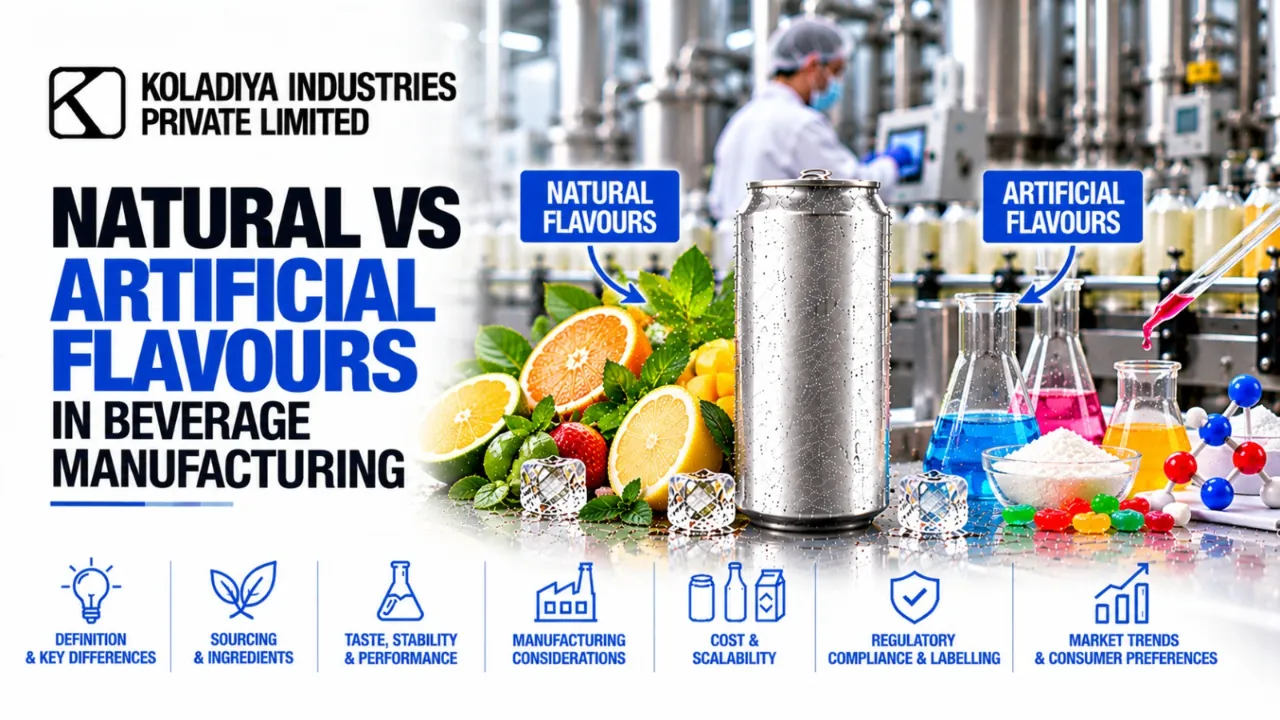
Flavour plays a crucial role in the success of any beverage. Whether a brand develops fruit drinks, sparkling refreshments, iced tea, or energy drinks, the right flavour profile can influence consumer preference, repeat purchases, and overall product identity. Therefore, beverage manufacturers must carefully evaluate the ingredients they use to achieve the desired taste, aroma, consistency, and shelf stability. Natural vs Artificial Flavours represents an important consideration during beverage formulation. Natural flavours can help brands develop products around specific ingredient origins and positioning strategies, whereas artificial flavours can offer formulation flexibility, consistent taste profiles, and cost advantages in certain applications.
For beverage startups and established brands, choosing between these options requires more than comparing ingredient labels. Manufacturers must also consider the beverage category, target audience, production process, packaging format, regulatory requirements, and commercial objectives. For energy drink brands in particular, flavour selection becomes even more important because the formulation must balance sweetness, acidity, functional ingredients, and the characteristic taste of energy drink components.
This guide explains the differences between natural and artificial flavours, their applications in beverage manufacturing, and how Koladiya Industries can support brands throughout beverage development and commercial production.
Natural vs Artificial Flavours: Understanding the Basics
Before selecting a flavour system, beverage brands should understand how natural and artificial flavours differ in origin, formulation, and application.
What Are Natural Flavours?
Natural flavours come from natural sources such as fruits, spices, herbs, vegetables, and other permitted botanical or biological materials. Manufacturers use appropriate extraction, distillation, fermentation, or other processing techniques to obtain flavouring substances.
For example, natural citrus flavours can support lemon beverages, orange refreshments, and selected energy drink formulations. Similarly, natural ginger, mint, berry, and botanical flavours can help create distinctive beverage profiles.
Natural flavours may appeal to brands that prioritise ingredient origin, botanical inspiration, or a particular product positioning. However, their suitability depends on the specific flavour material, formulation conditions, processing requirements, and applicable regulations.
Moreover, natural origin does not automatically guarantee superior taste, better nutritional value, or longer shelf life. Each ingredient must perform effectively within the finished beverage.
What Are Artificial Flavours?
Artificial flavours use flavouring substances produced through chemical synthesis or other permitted processes to recreate or develop specific taste and aroma characteristics.
These flavour systems can help manufacturers achieve recognisable profiles such as tropical fruit, mixed berry, citrus, and selected candy-inspired flavours. They can also provide greater flexibility when a brand wants a distinctive flavour that does not depend on obtaining a particular natural extract.
In certain applications, artificial flavours can offer predictable performance and help manufacturers manage formulation costs. Nevertheless, the actual advantages depend on the ingredient, dosage, supplier specifications, and beverage processing conditions.
Brands should evaluate each flavour system according to its technical performance and market positioning rather than assuming that one category always performs better.
Natural vs Artificial Flavours: Key Differences in Beverage Manufacturing
Although both flavour categories can create appealing beverages, their practical characteristics may differ considerably.
1. Flavour Profile and Taste Experience
Natural flavours can deliver complex sensory characteristics associated with fruits, spices, and botanical ingredients. These profiles may suit premium refreshments, fruit-based drinks, botanical beverages, and selected functional beverages.
Artificial flavours can help manufacturers create precise, recognisable, and repeatable flavour profiles. Consequently, they may suit products that require a consistent taste experience across multiple production batches.
However, the finished taste depends on more than the flavour ingredient itself. Sweeteners, acidity regulators, preservatives, carbonation, and other ingredients also influence the final sensory experience.
2. Cost and Ingredient Availability
Natural flavour costs can vary according to the source material, extraction method, concentration, seasonal availability, and supplier specifications.
Artificial flavour systems may provide a more economical option in certain formulations, particularly when manufacturers require a strong and consistent flavour profile. However, costs vary by flavour type, dosage, and supplier.
Therefore, brands should compare the total formulation cost rather than focusing exclusively on the price per kilogram of flavouring material.
3. Stability and Shelf Life
Flavour stability remains a critical consideration in commercial beverage production. Heat treatment, oxygen exposure, light, acidity, and storage conditions can affect flavour intensity and aroma.
Some natural flavours may require additional formulation adjustments to maintain their sensory characteristics throughout the intended shelf life. Conversely, some artificial flavours may provide suitable stability under specific processing conditions.
Nevertheless, neither category guarantees superior stability in every application. Manufacturers should conduct appropriate stability assessments and shelf-life testing before finalising the formulation.
4. Label Positioning and Consumer Expectations
Ingredient selection can influence how consumers perceive a beverage. Some brands prioritise natural-origin ingredients to support a botanical, fruit-inspired, or premium product identity.
Other brands focus on flavour consistency, affordability, distinctive taste, or a familiar energy drink experience.
Importantly, marketing claims and ingredient declarations must accurately reflect the formulation and comply with applicable food regulations. Terms such as “natural,” “artificially flavoured,” and similar descriptions require careful review before packaging approval.
Natural vs Artificial Flavours in Energy Drink Manufacturing
Energy drinks require particularly careful flavour development because their ingredients can create challenging taste interactions.
Depending on the formulation, caffeine, permitted functional ingredients, sweeteners, acids, vitamins, and other components may contribute bitterness, acidity, aftertaste, or aroma changes.
Consequently, flavour selection should address the complete formulation rather than simply adding a strong fruit flavour.
Choosing Natural Flavours for Energy Drinks
Natural flavours can support energy drink brands that want fruit-forward, botanical, or premium-inspired products.
Popular development directions include:
- Citrus energy drinks: Lemon, lime, and orange profiles can create a refreshing taste experience.
- Tropical energy drinks: Mango, pineapple, and passion fruit profiles can support vibrant fruit combinations.
- Berry energy drinks: Mixed berry and related profiles can provide a sweet-tart sensory balance.
- Botanical energy drinks: Ginger, mint, and selected herbal notes can help establish a distinctive product identity.
However, natural flavours must work effectively with the energy drink’s acidity, sweetener system, functional ingredients, and processing method.
Choosing Artificial Flavours for Energy Drinks
Artificial flavours can help energy drink brands develop bold and recognisable profiles with a defined sensory character.
For example, manufacturers may evaluate citrus blends, tropical fruit combinations, berry profiles, and candy-inspired flavour concepts according to the target market.
Additionally, selected artificial flavour systems can help maintain a consistent sensory profile across production batches, provided manufacturers control ingredient specifications and formulation parameters.
Nevertheless, brands should assess the finished beverage through sensory trials rather than assuming that a particular flavour category will automatically deliver the desired result.
Balancing Bitterness, Sweetness, and Acidity
One of the most important challenges in energy drink formulation involves balancing bitterness with sweetness and acidity.
A flavour that tastes pleasant in water may perform differently in a complete energy drink formulation. For this reason, developers should evaluate flavour intensity, sweetness perception, acidity, carbonation, and aftertaste together.
Furthermore, the team should assess the beverage at its intended serving temperature and, where relevant, after carbonation and processing.
This approach helps brands identify formulation issues before committing to large-scale manufacturing.
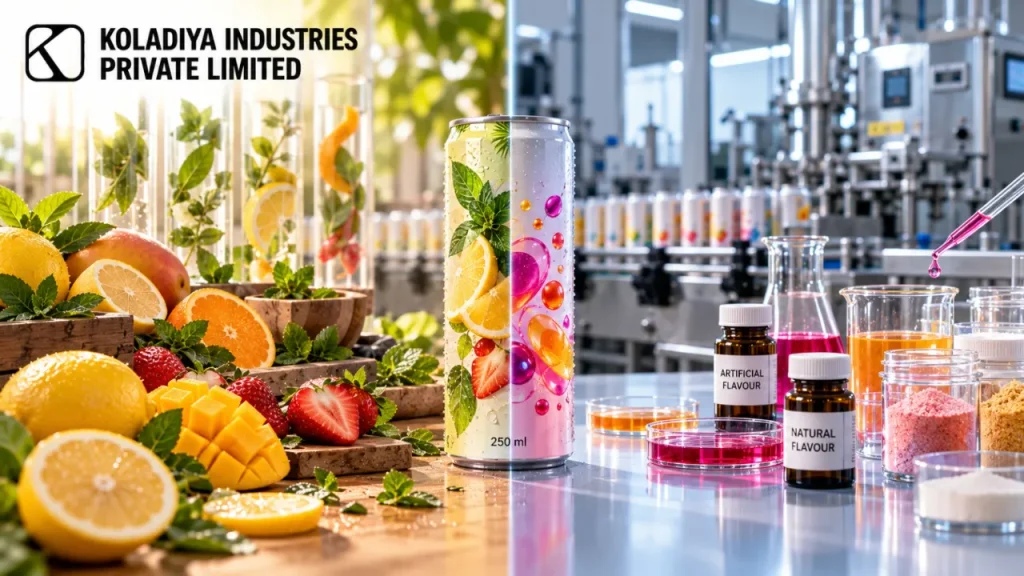
Natural vs Artificial Flavours: How to Choose the Right Option
The right flavour system should align with the beverage concept, consumer preferences, production requirements, and overall business goals.
Step 1: Define the Beverage Concept
First, establish the product category, target consumer, intended flavour profile, and price positioning.
A premium botanical drink may require a different approach from a mainstream energy drink designed around bold fruit flavours. Defining these requirements early helps narrow the available flavour options.
Step 2: Evaluate Flavour Compatibility
Next, test the selected flavour in the complete beverage formulation. Consider its interaction with sweeteners, acids, preservatives, caffeine, vitamins, and other ingredients where applicable.
This step is especially important for functional beverages because active ingredients can affect both taste and stability.
Step 3: Conduct Sensory Trials
Develop and test different beverage prototypes to evaluate their aroma, flavour strength, sweetness, acidity, mouthfeel, and overall aftertaste.
Where appropriate, evaluate several flavour combinations and concentrations. Sensory feedback can help identify the formulation that best matches the intended consumer experience.
Step 4: Assess Production and Stability Requirements
After identifying a promising prototype, assess its suitability for the intended manufacturing process and packaging format.
Consider processing temperatures, carbonation, packaging compatibility, storage conditions, and expected distribution timelines. Conduct appropriate shelf-life studies to verify that the beverage maintains its intended quality.
Step 5: Review Costs and Compliance
Finally, evaluate ingredient costs, dosage requirements, supply availability, labelling obligations, and applicable food safety regulations.
A successful flavour system must deliver the desired sensory experience while remaining commercially practical and compliant with relevant requirements.
Common Mistakes to Avoid When Selecting Beverage Flavours
Even a promising beverage concept can encounter difficulties if brands overlook important formulation considerations.
Choosing flavour based only on cost: A low-cost ingredient may not deliver the required taste intensity or stability. Instead, compare the overall formulation performance and commercial cost.
Assuming natural flavours always taste better: Consumer preferences vary, and both natural and artificial flavours can produce appealing beverages when properly formulated.
Ignoring ingredient interactions: Acidity, sweeteners, caffeine, vitamins, and other ingredients can change the perceived flavour. Test the complete formulation before making a final decision.
Skipping shelf-life testing: A beverage that tastes excellent immediately after production may change during storage. Validate the finished product under appropriate conditions.
Overlooking labelling requirements: Ingredient declarations and flavour-related marketing claims must accurately reflect the product and comply with applicable regulations.
By addressing these factors early, beverage brands can reduce avoidable reformulation, improve product consistency, and prepare more effectively for commercial production.
How Koladiya Industries Supports Beverage Flavour Development
Koladiya Industries can help beverage brands approach product development with a structured focus on formulation requirements, manufacturing feasibility, and commercial objectives.
For startups developing energy drinks, fruit beverages, sparkling refreshments, and other ready-to-drink products, the development process should connect the flavour concept with the finished beverage’s technical requirements.
Depending on the project scope, key considerations may include:
- Flavour and formulation planning: Evaluating suitable flavour directions according to the beverage concept and intended market.
- Ingredient compatibility: Assessing how flavour systems interact with sweeteners, acids, and other formulation components.
- Product development: Refining taste, sweetness, acidity, and overall sensory balance through appropriate trials.
- Manufacturing preparation: Reviewing processing requirements, packaging choices, and production feasibility.
- Quality and shelf-life considerations: Planning suitable quality checks and stability assessments before commercial launch.
- Production scalability: Aligning the approved formulation with manufacturing requirements and the brand’s intended production volumes.
For energy drink projects, this structured approach can help brands evaluate flavour performance alongside the requirements of the complete functional beverage formulation.
The specific services, testing arrangements, production capabilities, and project timelines should be confirmed with Koladiya Industries according to the product and manufacturing brief.
Conclusion: Natural vs Artificial Flavours in Beverage Manufacturing
Choosing between natural and artificial flavours requires a balanced understanding of sensory quality, ingredient costs, formulation compatibility, shelf stability, consumer expectations, and regulatory requirements.
Natural flavours can support botanical, fruit-inspired, and premium beverage concepts, while artificial flavours can offer flexibility for developing consistent and distinctive taste profiles. However, neither option is universally better for every beverage.
For energy drink manufacturers, the decision becomes particularly important because the flavour system must complement bitterness, sweetness, acidity, carbonation, and any functional ingredients.
Ultimately, the best approach involves testing suitable flavour options within the complete formulation and validating the finished product before commercial production.
Koladiya Industries can be a potential manufacturing partner for beverage brands seeking to translate a flavour concept into a commercially viable product, subject to project requirements and available capabilities.
Develop Your Beverage Concept with Koladiya Industries
Planning to launch an energy drink, fruit beverage, or another ready-to-drink product? Selecting the right flavour system is an important step towards creating a consistent, market-ready beverage. Contact Koladiya Industries to discuss your beverage concept, flavour requirements, formulation objectives, packaging preferences, and contract manufacturing needs. Start planning a beverage development project that aligns with your brand positioning and commercial goals.
FAQ’s:
Are natural flavours better than artificial flavours in beverages?
Not necessarily. The better option depends on taste requirements, formulation compatibility, stability, cost, consumer expectations, and the beverage's intended positioning.
Which flavours work well in energy drinks?
Citrus, tropical fruit, berry, and selected botanical profiles are common development directions. The ideal choice depends on the formulation, target audience, sweetness level, and desired sensory experience.
Do natural flavours increase beverage manufacturing costs?
They can, depending on the source material, extraction process, concentration, availability, and required dosage. However, actual costs vary, so manufacturers should evaluate the complete formulation.
Can artificial flavours help maintain consistent energy drink taste?
Selected artificial flavour systems can support consistent taste profiles when manufacturers control ingredient specifications, dosage, processing conditions, and quality parameters.
Do natural and artificial flavours affect beverage shelf life?
Yes, flavour characteristics can change during processing and storage. The extent depends on the flavour system, formulation, packaging, oxygen exposure, temperature, and other conditions. Appropriate stability testing helps assess performance.
Can Koladiya Industries help develop a flavoured energy drink?
Koladiya Industries can be approached to discuss energy drink formulation and manufacturing requirements. Brands should confirm the available development services, production capabilities, minimum order quantities, and project-specific requirements directly with the company.