The demand for convenient hydration products continues to create new opportunities for beverage brands across India. Consumers increasingly look for refreshing drinks that support everyday hydration, fit busy lifestyles, and offer convenient packaging. As a result, hydration water has become an attractive product category for startups, established beverage companies, retailers, and businesses planning to launch their own drink brands.
However, developing a hydration water product requires more than simply choosing a bottle or designing a label. Businesses must consider product formulation, ingredient selection, manufacturing processes, quality control, packaging, and distribution. This is where hydration water contract manufacturing services in India can help brands turn their ideas into market-ready products. Contract manufacturing allows businesses to work with an experienced manufacturing partner instead of investing immediately in their own production facility. Depending on the manufacturer’s capabilities, brands can explore customized hydration water formulations, different packaging formats, private-label production, and manufacturing support.
This guide explains how hydration water contract manufacturing works, its benefits, important selection criteria, and the steps involved in launching a hydration water brand in India.
What Is Hydration Water Contract Manufacturing?
Hydration water contract manufacturing is a business arrangement in which a beverage manufacturer produces hydration water for another company under an agreed commercial arrangement. The brand owner generally focuses on branding, marketing, sales, and distribution, while the manufacturing partner manages the production activities covered by their agreement. Hydration water may include purified water with selected electrolytes, minerals, or other permitted ingredients. The exact formulation depends on the brand’s target audience, product positioning, taste preferences, regulatory requirements, and intended price point.
For example, a business may want to launch plain electrolyte water, lightly flavoured hydration water, or a premium functional water product. A suitable manufacturing partner can help assess the feasibility of the concept and determine which production and packaging options match the project requirements. Moreover, contract manufacturing can help businesses explore a new beverage category without immediately purchasing production machinery or establishing a complete manufacturing facility.
Why Is Hydration Water Becoming an Opportunity for Beverage Brands?
Modern consumers often prefer drinks that are convenient to carry and easy to consume throughout the day. This creates opportunities for hydration-focused products in multiple sales channels, including retail stores, gyms, hospitality businesses, offices, and online marketplaces. Hydration water can also offer brands flexibility in product positioning. Some businesses may focus on everyday refreshment, while others may develop products for sports, travel, fitness, or active lifestyles.
However, brands should clearly communicate what their products contain and avoid unsupported health claims. Electrolyte content, mineral levels, flavour, and other product characteristics should accurately reflect the actual formulation. Therefore, businesses that understand their target customers and define a clear product concept can make more informed decisions before beginning commercial production.
Key Hydration Water Contract Manufacturing Services
A contract manufacturing project may involve several services. The available options depend on the production facility, equipment, ingredients, packaging capabilities, and commercial terms of the selected partner.
1. Customized Product Formulation
Product formulation is one of the first important steps when developing hydration water. Businesses must decide whether they want plain water, electrolyte-enhanced water, mineral-based water, or a flavoured hydration beverage.
The formulation process may involve selecting suitable ingredients, determining concentration levels, reviewing taste, and assessing product stability. Manufacturers and qualified formulation specialists can work with the brand to evaluate different options.
Furthermore, businesses should identify their desired product positioning before finalizing a formula. A clear concept makes it easier to estimate ingredient requirements, manufacturing costs, and packaging needs.
2. Private Label Hydration Water Manufacturing
Private-label manufacturing allows a business to sell a beverage under its own brand name while a manufacturing partner handles the agreed production activities.
This model can suit entrepreneurs, distributors, retailers, fitness-related businesses, and companies looking to expand their existing product portfolios.
The brand owner typically coordinates brand identity, label design, sales strategy, and distribution. Meanwhile, the contract manufacturer produces the product according to the approved specifications and agreement.
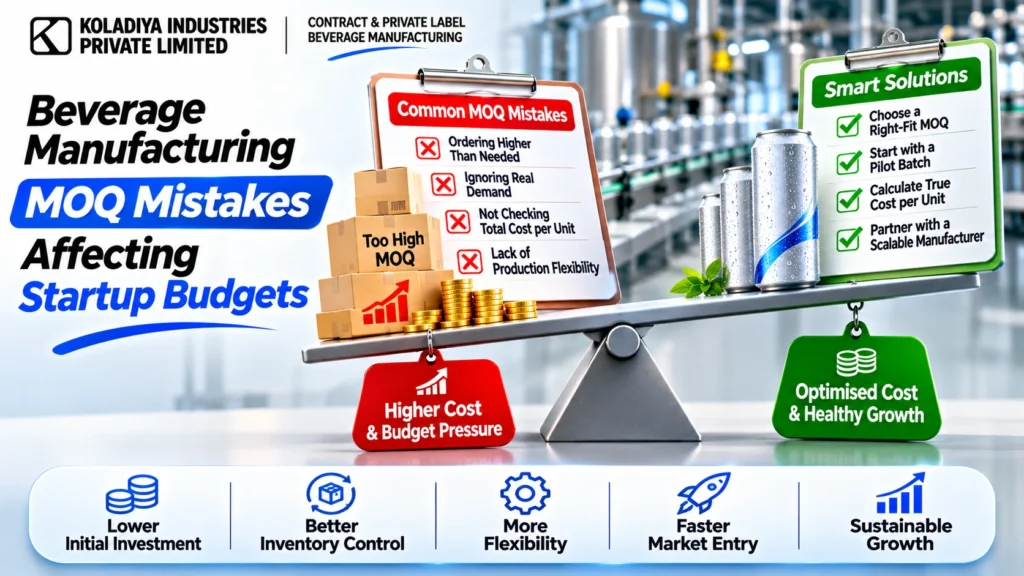
Before production begins, both parties should clearly define responsibilities for formulation approval, label compliance, packaging procurement, quality checks, minimum order quantities, and delivery schedules.
3. Bottle and Packaging Options
Packaging plays an important role in product presentation, convenience, transportation, and cost management. Depending on the manufacturer’s available equipment, businesses may explore different bottle sizes, packaging materials, closures, labels, and case-pack formats.
The right packaging choice depends on the target market and sales channel. For example, a product designed for individual retail purchases may require different packaging considerations from one intended for hospitality businesses or bulk distribution.
Additionally, brands should evaluate packaging durability, storage conditions, transport efficiency, appearance, and overall unit cost before making a final decision.
4. Production Planning and Batch Manufacturing
Commercial production requires proper planning for ingredients, packaging materials, production capacity, and order quantities. A manufacturing partner can help establish a production schedule based on the approved product specifications and available resources.
Businesses should discuss minimum order quantities, sample requirements, lead times, payment terms, and delivery arrangements before confirming an order.
Consequently, clear planning can reduce avoidable delays and help brands coordinate manufacturing with their marketing campaigns and distribution schedules.
5. Packaging, Labelling, and Dispatch Coordination
Packaging and labelling must align with the product specifications and applicable regulatory requirements. Depending on the agreed scope, a manufacturer may support filling, sealing, coding, labelling, secondary packaging, and preparation for dispatch.
The brand owner should review label information before printing. Ingredients, nutritional information where applicable, net quantity, batch details, manufacturer or marketer information, and other mandatory declarations must meet the rules relevant to the specific product.
This coordinated approach helps businesses prepare products for distribution while maintaining consistency between the approved product and its commercial presentation.
How Does the Hydration Water Contract Manufacturing Process Work?
Understanding the manufacturing process helps businesses prepare the information that a potential supplier needs.
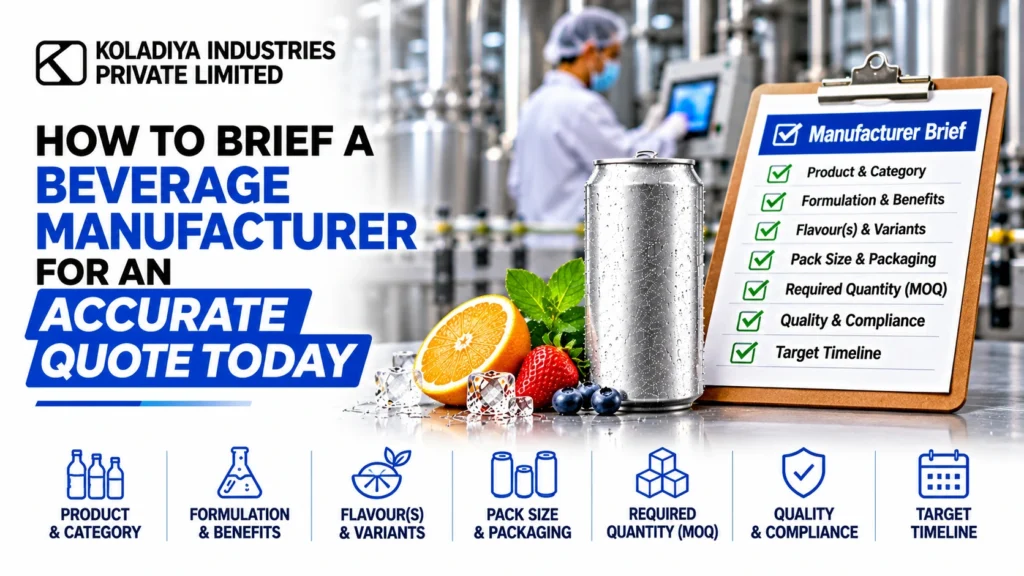
Step 1: Define the product concept. Decide whether the product will contain electrolytes, minerals, flavours, or other permitted ingredients. Identify the target customer, preferred taste, intended price range, and sales channel.
Step 2: Discuss manufacturing requirements. Share expected order volumes, packaging preferences, ingredient requirements, and launch timelines with potential manufacturing partners. Ask which services they can provide directly.
Step 3: Review formulation and samples. Where available, evaluate sample products for taste, appearance, and suitability. Finalize specifications only after reviewing the agreed formulation and relevant technical information.
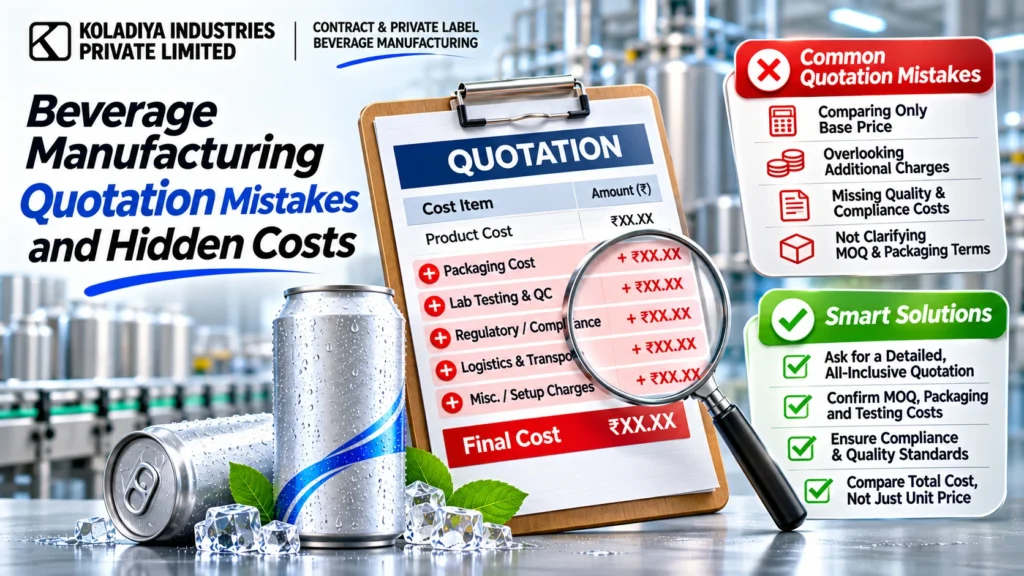
Step 4: Confirm costing and commercial terms. Request a cost breakdown covering ingredients, packaging, production, testing, labelling, and transportation where applicable. Confirm minimum order quantities, payment conditions, and lead times.
Step 5: Complete compliance checks. Verify that the manufacturer holds the applicable licences and approvals for the specific product and processes. Review product standards, ingredient suitability, label requirements, and testing arrangements before commercial production.
Step 6: Begin production and quality checks. The manufacturer produces the approved batch according to the agreed specifications. Relevant quality checks and documentation should support product consistency and traceability.
Step 7: Arrange delivery and distribution. Once the agreed release requirements are met, coordinate dispatch, storage, inventory planning, and distribution to the intended sales channels.
Following these steps helps businesses manage the transition from an initial concept to a commercially prepared hydration water product.
Quality Control and Regulatory Considerations
Quality control is essential when selecting hydration water contract manufacturing services in India. Businesses should understand how the manufacturer manages incoming ingredients, water quality, sanitation, filling operations, packaging integrity, finished-product testing, and batch records.
The exact checks depend on the product formulation and applicable standards. Where relevant, testing may cover microbiological quality, chemical characteristics, ingredient specifications, packaging suitability, and product stability.
In India, food and beverage businesses must assess the applicable requirements under the Food Safety and Standards Authority of India (FSSAI) framework and other relevant rules. Requirements can vary according to the product category, ingredients, claims, and business responsibilities.
Therefore, brands should not rely solely on verbal assurances. They should request relevant documentation, verify licences and approvals, and establish clear procedures for handling quality concerns, rejected batches, and product complaints.
Brands must also ensure that marketing statements accurately represent the product. Hydration water should not be promoted with unsupported medical or performance claims.
Benefits of Choosing Contract Manufacturing
Contract manufacturing can offer several practical advantages for businesses entering the hydration water category.
Lower initial infrastructure investment: Brands may avoid the immediate expense of establishing their own complete production facility, although product development, inventory, packaging, and other costs still apply.
Access to manufacturing capabilities: A suitable partner may provide production equipment, technical support, filling facilities, and quality-control processes that would otherwise require substantial investment.
Brand-building flexibility: Businesses can concentrate on positioning, packaging design, customer acquisition, and distribution while outsourcing the agreed manufacturing activities.
Potential for product customization: Depending on the manufacturer’s capabilities, brands can explore different formulations, packaging options, and product concepts.
Simplified operational planning: Working with an established manufacturing partner can help coordinate production schedules, packaging requirements, and order fulfilment.
Nevertheless, these benefits depend on the partner’s actual capabilities, commercial terms, and operational performance. Brands should compare suppliers rather than assume every manufacturer provides the same level of service.
How to Choose the Right Hydration Water Manufacturer in India
Selecting the right partner is an important decision for long-term product quality and business growth. Start by reviewing the manufacturer’s experience with relevant beverage categories and its ability to handle your specific formulation and packaging requirements.
Next, verify applicable licences, manufacturing permissions, quality systems, production capacity, and testing procedures. Request samples or product specifications where appropriate, and ask for references or other credible evidence of relevant experience.
Additionally, compare pricing transparently. A lower quoted manufacturing cost may not represent the lowest total cost if packaging, testing, logistics, minimum order quantities, or additional service charges remain excluded.
Before signing an agreement, document product specifications, ownership of the formula and brand assets, confidentiality terms, order quantities, delivery timelines, payment conditions, quality responsibilities, and procedures for resolving disputes.
Finally, evaluate communication and responsiveness. A manufacturer that clearly explains its capabilities, limitations, and requirements can make the development process easier to manage.
Who Can Benefit from Hydration Water Contract Manufacturing?
Several types of businesses can explore this manufacturing model. Startups can use it to investigate a new beverage concept, while established beverage brands can consider adding hydration water to their existing portfolios.
Distributors and retailers may explore private-label products for selected markets. Fitness and sports-related businesses may consider hydration-focused beverages that suit their customer base. Hospitality providers, corporate suppliers, and event-focused businesses may also assess suitable packaging and supply arrangements.
However, each business should evaluate demand, competition, production economics, regulatory obligations, and distribution costs before placing a commercial order.
Conclusion
Hydration water contract manufacturing services in India offer a practical route for businesses that want to develop and market their own hydration-focused beverage products. By working with a suitable manufacturing partner, brands can explore customized formulations, packaging options, private-label production, and coordinated manufacturing support without immediately building their own production infrastructure.
Success depends on more than selecting a supplier. Businesses should define their product concept, understand their target audience, verify quality and regulatory requirements, compare total costs, and finalize clear commercial terms before production begins.
For businesses planning to enter this category, Koladiya Industries can be included in the supplier evaluation process for discussions about hydration water product requirements, customization possibilities, packaging preferences, and contract manufacturing needs. Confirm the specific services, capabilities, regulatory documentation, and order terms directly before making a decision.
With careful planning and the right manufacturing arrangement, businesses can build a hydration water brand around clear product specifications, consistent quality, suitable packaging, and a focused market strategy.
FAQ’s
How can I find a hydration water contract manufacturer in India?
Look for a manufacturer with relevant beverage production experience, suitable manufacturing facilities, applicable FSSAI licences, quality-control procedures, and packaging capabilities. Review product samples, pricing, minimum order quantities, and delivery terms before selecting a partner.
Can I launch my own private-label hydration water brand?
Yes, businesses can explore private-label hydration water manufacturing to sell products under their own brand names. The process may include product selection, label design, packaging decisions, manufacturing, and distribution planning.
Can hydration water manufacturers produce electrolyte water?
Some contract manufacturers may offer electrolyte-enhanced water, depending on their formulation expertise, equipment, and permitted product categories. Discuss the required electrolyte composition, taste, product specifications, testing, and regulatory compliance before finalizing the formulation.
What packaging options are available for hydration water?
Packaging options depend on the manufacturer's facilities and production capabilities. Businesses may explore different bottle sizes, materials, closures, labels, and secondary packaging formats based on their target customers, distribution channels, and budget.
What factors affect hydration water contract manufacturing costs in India?
Manufacturing costs depend on formulation, ingredients, order volume, bottle type, labelling, packaging materials, testing requirements, transportation, and other agreed services. Request a detailed quotation to understand the total cost per unit and any additional charges.
Why should businesses choose contract manufacturing for hydration water?
Contract manufacturing can help businesses avoid the immediate investment required to establish their own production facility. It also allows brands to focus on marketing, sales, and distribution while an appropriate manufacturing partner handles the agreed production activities.