Staying hydrated helps the body regulate temperature, maintain energy levels, and support everyday physical functions. Today, consumers can choose from a wide range of beverages, including hydration drinks, electrolyte drinks, sports drinks, and functional beverages. Although these products may look similar, their ingredients, intended uses, and nutritional benefits can differ. The difference between a hydration drink and an electrolyte drink helps consumers make informed choices. It also helps beverage startups and established brands develop products that meet specific market needs.
Koladiya Industries supports beverage development and manufacturing through contract manufacturing, private label solutions, and custom beverage development. Understanding these drink categories can help brands choose the right formulation and product positioning.
What Is a Hydration Drink?
A hydration drink is a beverage designed to help replenish fluids and support everyday hydration. Its primary purpose is to provide water in a convenient and enjoyable format.
Depending on the formulation, hydration drinks may contain added electrolytes, natural flavours, fruit extracts, sweeteners, or other functional ingredients. Some products focus on simple refreshment, while others target active consumers who want additional minerals alongside fluids.
Key Ingredients in Hydration Drink
Common ingredients include:
- Water: Provides the fluid needed for hydration.
- Electrolytes: Ingredients such as sodium and potassium may help maintain fluid balance.
- Flavouring agents: Citrus, berry, tropical fruit, and other flavours improve taste.
- Sweeteners: Sugar, low-calorie sweeteners, or non-sugar alternatives help establish the desired sweetness.
- Additional functional ingredients: Some formulations include vitamins or other ingredients to support a particular product concept.
Not every hydration drink contains the same ingredients. Brands should review the label and nutritional information to understand what each product offers.
Who Can Choose Hydration Drinks?
Hydration drinks can appeal to consumers who want flavoured beverages throughout the day, people with active lifestyles, travellers, and customers who prefer alternatives to plain water.
However, most healthy adults can meet routine hydration needs through water and a balanced diet. A specialised hydration drink does not automatically offer more benefits than plain water.
What Is an Electrolyte Drink?
An electrolyte drink contains water and minerals that help the body maintain fluid balance and support normal muscle and nerve function. Common electrolytes include sodium, potassium, magnesium, and chloride.
The body loses water and electrolytes through sweat. Prolonged exercise, strenuous physical activity, and hot weather can increase these losses. An appropriately formulated electrolyte drink can help replace some of the lost fluids and minerals.
Key Ingredients in Electrolyte Drink
Electrolyte beverages may contain:
- Sodium: Helps regulate fluid balance and replaces some sodium lost through sweat.
- Potassium: Supports normal muscle and nerve function.
- Magnesium: Contributes to normal muscle and nerve function.
- Chloride: Helps maintain fluid and electrolyte balance.
- Carbohydrates: Some sports-oriented electrolyte drinks include carbohydrates to provide energy during prolonged exercise.
- Flavours and sweeteners: These improve taste and help create a more enjoyable drinking experience.
The electrolyte content varies across products. Some drinks contain meaningful quantities of minerals, while others provide only small amounts. Consumers should check the nutrition label rather than relying on the product name alone.
When Can Electrolyte Drinks Be Useful?
Electrolyte drinks may suit endurance athletes, people undertaking prolonged physical activity, and individuals who experience substantial fluid loss through sweating.
For everyday activity or a short, moderate workout, plain water often provides sufficient hydration. People experiencing significant dehydration from vomiting or diarrhoea may need a properly formulated oral rehydration solution rather than a regular sports or electrolyte drink. Anyone with persistent symptoms should seek medical advice.
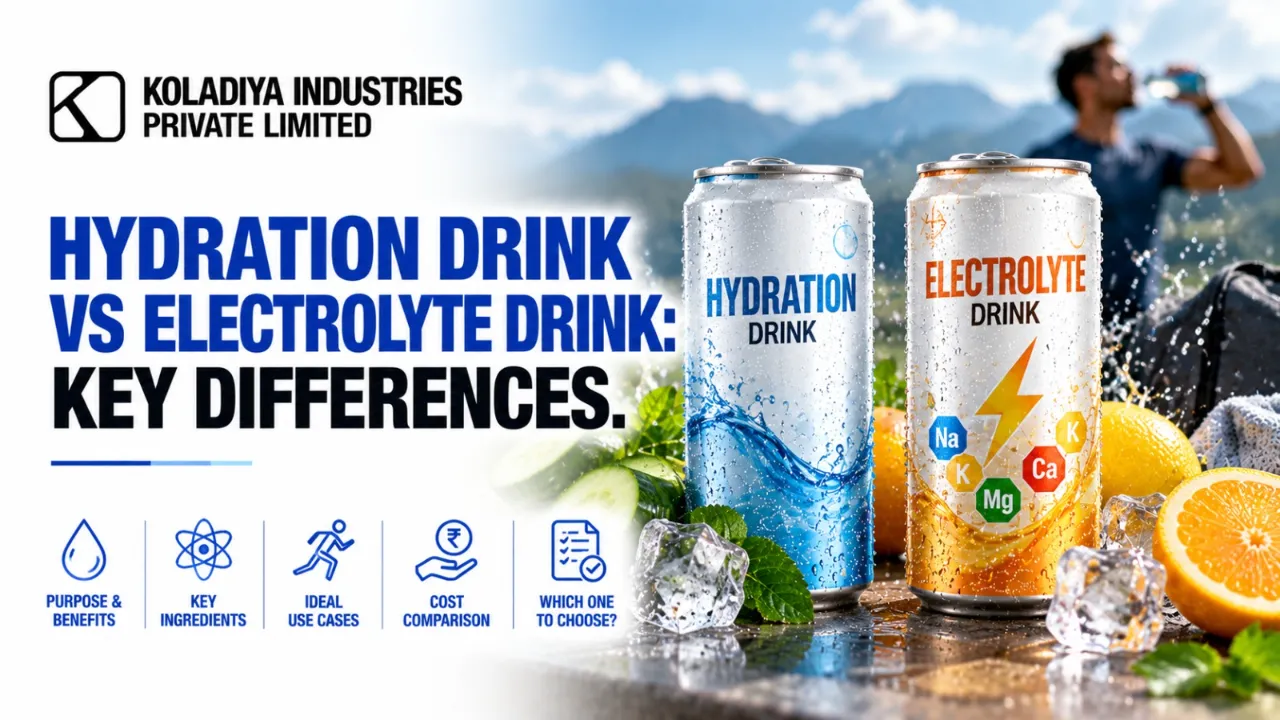
Hydration Drink vs Electrolyte Drink: Key Differences
The main difference lies in the product’s formulation and intended purpose. A hydration drink focuses on fluid intake, while an electrolyte drink specifically provides minerals that support the body’s fluid balance.
| Comparison Factor | Hydration Drink | Electrolyte Drink |
|---|---|---|
| Primary purpose | Supports everyday fluid intake | Helps replace fluids and electrolytes |
| Main ingredient | Water | Water with added electrolytes |
| Mineral content | May contain electrolytes | Specifically formulated to provide electrolytes |
| Sugar content | Varies by product | Varies by product |
| Energy content | Depends on the formulation | Depends on the formulation |
| Common audience | Everyday consumers and active individuals | People with higher fluid and electrolyte losses |
| Flavour options | Fruit, citrus, and botanical profiles | Fruit, citrus, and sports-oriented flavours |
| Best selection factor | Taste, ingredients, and hydration needs | Electrolyte profile, fluid needs, and activity level |
One important point: these categories overlap. An electrolyte drink can also function as a hydration drink. The product label, ingredient list, and mineral quantities provide a more reliable comparison than marketing terminology.
Hydration Drink vs Electrolyte Drink: Which Is Better?
Neither option is universally better. The right choice depends on activity level, sweating, diet, climate, and the drink’s formulation.
Choose a Hydration Drink for Everyday Refreshment
A hydration drink may suit consumers who want a flavoured beverage during routine daily activities. A low-sugar formulation can appeal to people who prefer to limit their added sugar intake.
Water remains a practical first choice for normal daily hydration. A flavoured hydration beverage can offer variety, but consumers should compare sugar, calories, sodium, and other ingredients before choosing a product.
Choose an Electrolyte Drink for Higher Fluid Loss
An electrolyte drink may offer greater value during prolonged exercise, heavy sweating, or activity in hot and humid conditions. The added minerals help replace some electrolytes lost through sweat.
The need depends on the duration and intensity of the activity. Not everyone who exercises needs an electrolyte beverage, and consuming extra electrolytes without a clear need may not provide additional benefits.
Check Sugar and Sodium Levels
Some electrolyte beverages contain substantial added sugar, while others use low-calorie or sugar-free formulations. Sodium levels also vary considerably.
Consumers who monitor their sugar or sodium intake should read the nutrition label carefully. People with kidney or heart conditions, or those following a medically prescribed diet, should discuss specialised electrolyte products with a qualified healthcare professional.
How Beverage Brands Can Develop Hydration and Electrolyte Drinks
The growing variety of functional beverages creates opportunities for startups and established beverage companies. A successful product needs a clear target audience, a suitable formulation, appealing flavour, reliable quality, and practical packaging.
1. Define the Product Positioning
Brands should decide whether they want to launch an everyday hydration beverage, a mineral-focused electrolyte drink, or a sports-oriented beverage.
This decision influences ingredient selection, nutritional targets, product messaging, and the intended consumer group.
2. Develop the Right Formulation
Formulation requires careful attention to sweetness, acidity, flavour intensity, and ingredient compatibility. Electrolytes can introduce salty or mineral notes, so the development process must balance taste with the intended nutritional profile.
Brands should also confirm ingredient suitability, stability, shelf life, and applicable food regulations before commercial production.
3. Select Suitable Flavours and Packaging
Citrus, lemon-lime, berry, and tropical flavours can provide starting points for hydration and electrolyte beverage concepts. The final choice should match the target audience and product positioning.
Packaging also influences convenience, shelf appeal, distribution, and production costs. Can size, material compatibility, filling requirements, and labelling all deserve attention during product planning.
4. Work With an Experienced Manufacturing Partner
A beverage manufacturing partner can help businesses assess product feasibility, refine formulations, plan production, and prepare packaging for launch.
Brands should evaluate minimum order quantities, quality systems, formulation support, manufacturing capabilities, and production timelines before selecting a partner. A well-defined manufacturing brief can make the development process more efficient.
How Koladiya Industries Supports Hydration Beverage Manufacturing
Koladiya Industries is a beverage contract and private label manufacturer based in Surat, Gujarat. The company supports businesses looking to develop and manufacture beverages under their own brand.
For companies exploring hydration and electrolyte beverages, the manufacturing process begins with the product concept, target consumer, desired flavour, ingredient requirements, and commercial objectives.
Koladiya Industries offers beverage manufacturing approaches that include:
- Contract manufacturing: Production based on an agreed product specification or approved formula.
- Private label and white label solutions: Opportunities to launch beverages under a company’s own brand using suitable existing formulations or product options.
- OEM and ODM development: Support for businesses exploring custom beverage formulations and product development.
- Packaging and production planning: Coordination of packaging requirements and commercial production needs.
The right manufacturing route depends on the product concept, formulation requirements, target market, and production volume. Businesses should confirm the final scope, minimum order quantity, packaging specifications, and regulatory requirements before starting production.
A clear product brief helps align the formulation, flavour profile, packaging, and manufacturing plan with the brand’s commercial goals.
Conclusion
The difference between a hydration drink vs electrolyte drink comes down to formulation and purpose. Hydration drinks focus on convenient fluid intake, while electrolyte drinks provide minerals that can help replace electrolyte losses during prolonged exercise or heavy sweating.
Consumers should choose products according to their hydration needs, ingredient preferences, and activity levels. Beverage brands should focus on formulation quality, taste, nutritional transparency, packaging, and reliable manufacturing when developing products in either category.
For businesses planning to enter the functional beverage market, the right manufacturing partner can help turn a product concept into a commercially viable beverage.
Launch Your Hydration or Electrolyte Drink With Koladiya Industries
Planning to introduce a hydration drink, electrolyte beverage, or functional drink under your own brand? Koladiya Industries can help you explore suitable beverage manufacturing and product development options.
Discuss your flavour preferences, formulation requirements, packaging plans, and production goals with the team to identify an appropriate manufacturing approach.
Contact Koladiya Industries to discuss your beverage concept and take the next step toward building your own hydration or electrolyte drink brand.
FAQ’s
Which is better: a hydration drink or an electrolyte drink?
Neither is always better. Water or a hydration drink may suit everyday fluid needs, while an electrolyte drink may help during prolonged exercise or heavy sweating.
Can I drink electrolyte drinks every day?
Many people can consume electrolyte drinks occasionally as part of a balanced diet. However, most healthy adults can meet their daily hydration needs with water and food. Check sodium and sugar levels before regular consumption.
Are hydration drinks and electrolyte drinks sugar-free?
Not all hydration or electrolyte drinks are sugar-free. Some contain added sugar, while others use low-calorie or zero-sugar sweeteners. Always check the product's nutrition label.
When should I choose an electrolyte drink?
An electrolyte drink may be useful during prolonged physical activity, intense exercise, or heavy sweating. People with significant dehydration from illness may need a properly formulated oral rehydration solution instead.
What ingredients are commonly used in electrolyte drinks?
Common ingredients include water, sodium, potassium, and sometimes magnesium, chloride, carbohydrates, flavoring agents, and sweeteners. The exact formulation depends on the product's intended purpose.
Can Koladiya Industries help manufacture hydration and electrolyte drinks?
Koladiya Industries supports beverage manufacturing and private label development for businesses exploring new beverage products. Brands can discuss their formulation, flavour, packaging, and production requirements to determine suitable manufacturing options.