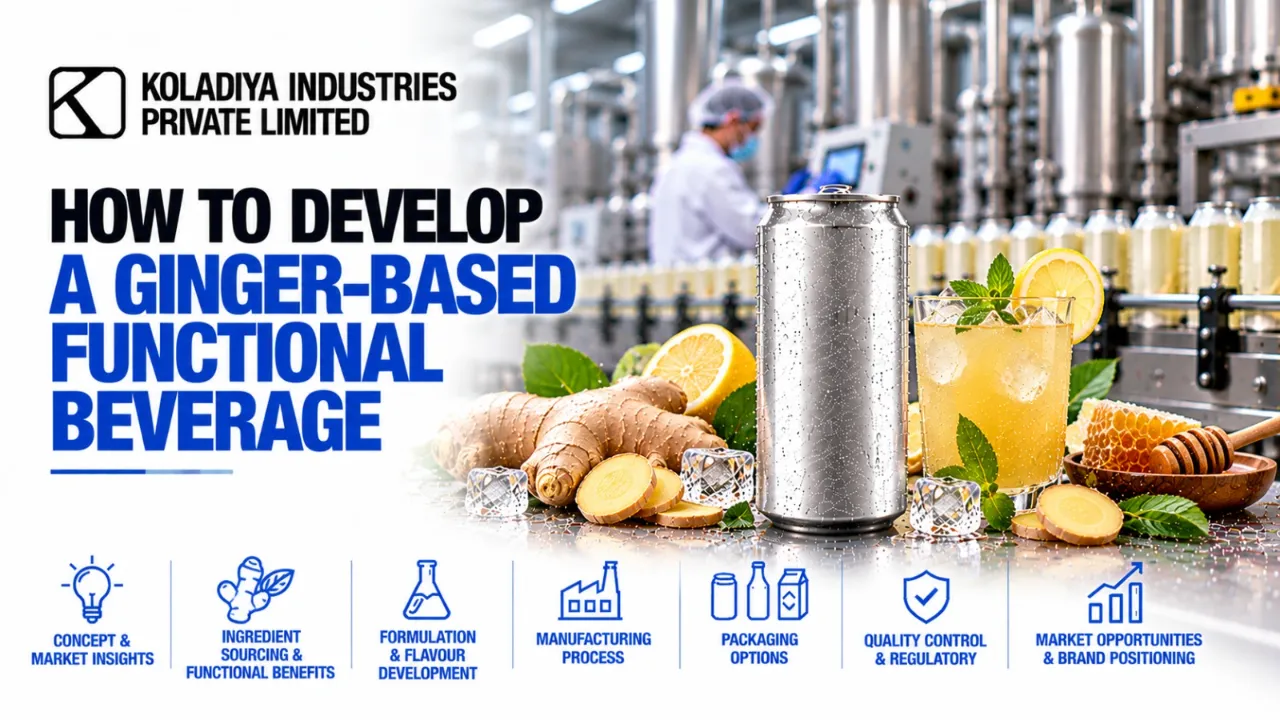
The demand for functional beverages continues to grow as consumers look for refreshing drinks that offer more than basic hydration. In particular, ginger-based beverages attract attention because of their distinctive flavour, versatile applications, and compatibility with ingredients such as lemon, honey, botanical extracts, and selected vitamins. Consequently, beverage startups and established brands can explore ginger-based drinks to develop products that appeal to modern consumer preferences.
A Ginger Based Functional Beverage can take several forms, including ginger shots, sparkling ginger drinks, botanical refreshments, wellness-inspired beverages, and functional energy drinks. However, successful product development requires more than selecting ginger as the main ingredient. Brands must also consider formulation, flavour balance, ingredient quality, food safety, shelf life, packaging, and manufacturing requirements.
For beverage entrepreneurs, a structured development process helps turn an initial concept into a commercially viable product. Koladiya Industries can support beverage brands exploring product development and contract manufacturing opportunities, subject to specific product requirements and manufacturing capabilities.
What Is a Ginger Based Functional Beverage?
A Ginger Based Functional Beverage combines ginger with other ingredients to create a drink with a distinctive flavour and a defined product concept. Depending on the formulation, brands may incorporate fruit juices, botanical ingredients, vitamins, minerals, caffeine, or other functional ingredients. For example, a brand could develop a sparkling ginger and lemon drink for everyday refreshment. Brands can also develop ginger-based energy drinks by combining ginger flavour with caffeine and selected B vitamins to create a distinctive beverage for energy drink consumers.
Nevertheless, brands should distinguish between ingredient characteristics and proven health benefits. Ginger has a long history of culinary use, but a beverage’s actual benefits depend on its formulation, ingredient levels, supporting evidence, and applicable regulations. Therefore, brands should avoid unsupported medical or therapeutic claims.
Why Develop a Ginger Based Functional Beverage?
Consumer interest in distinctive flavours and functional beverage concepts creates opportunities for innovative drink brands. Ginger offers a recognizable taste that works across refreshing, botanical, spicy, and fruit-forward formulations. Moreover, ginger can help establish a clear product identity. Brands can combine it with lemon, lime, orange, apple, pineapple, or selected herbs to create different flavour profiles. These combinations also allow businesses to develop product ranges rather than relying on a single beverage.
Another opportunity involves the energy drink category. Traditional energy drinks often focus on caffeine, flavour, and convenience. A ginger-based energy drink can introduce a botanical-inspired flavour profile while maintaining a familiar energy drink format. However, brands should validate consumer demand, pricing, and product differentiation before investing in commercial production.
Ginger Based Functional Beverage: Step-by-Step Development Process
1. Define Your Product Concept
First, determine the purpose and positioning of your beverage. A clear concept helps guide ingredient selection, formulation, packaging, pricing, and marketing.
Potential product concepts include:
- Ginger and lemon functional refreshments
- Sparkling ginger botanical drinks
- Ginger and fruit-based beverages
- Ginger wellness-inspired shots
- Ginger-based energy drinks
- Ginger beverages with selected vitamins or minerals
Next, identify your target audience. For instance, a sparkling ginger drink may appeal to consumers who enjoy distinctive refreshments, while a ginger-based energy drink may target adults looking for an alternative flavour profile in the energy drink category.
Additionally, establish your target selling price, preferred packaging format, distribution channels, and expected production volume. These decisions provide a practical foundation for product development.
2. Select High-Quality Ginger Ingredients
Ingredient quality plays an important role in the flavour, consistency, and overall performance of a ginger-based beverage. Depending on the product concept, manufacturers may evaluate ginger juice, ginger extract, ginger concentrate, or other suitable ginger ingredients.
Each option offers different formulation considerations. Ginger juice can provide a fresh, characteristic flavour, whereas ginger extracts may deliver a more concentrated profile. However, the final choice depends on the desired taste, processing conditions, ingredient specifications, and commercial requirements.
Furthermore, brands should assess ingredient consistency, microbiological quality, supplier documentation, and compatibility with other formulation components.
When developing functional energy drinks, brands should carefully select ingredients such as caffeine, vitamins, minerals, and flavouring systems to achieve the desired taste, product profile, and functionality. Every ingredient should serve a clear purpose and meet the applicable food safety and regulatory requirements.
3. Develop a Balanced Beverage Formulation
Formulation determines how the beverage tastes, feels, and performs throughout its intended shelf life. Therefore, product developers must balance ginger’s characteristic heat with sweetness, acidity, aroma, and the flavours of supporting ingredients.
For example, lemon can introduce a bright citrus note, while apple or pineapple can contribute fruity sweetness. Honey-inspired flavour profiles may also complement ginger, although the actual formulation must account for the chosen sweetener and target nutritional profile.
Meanwhile, brands developing reduced-sugar or sugar-free beverages should evaluate suitable sweetening systems. These formulations require careful testing because ginger’s intensity, acidity, and sweetener aftertaste can influence the overall experience.
The development process should include controlled trials, sensory evaluations, and adjustments to ingredient levels. Ultimately, the objective is to create a repeatable formulation that meets consumer expectations and manufacturing requirements.
4. Combine Ginger With Energy Drink Ingredients
Ginger can also support the development of differentiated energy drink concepts. Rather than relying exclusively on conventional fruit or citrus flavours, brands can explore ginger with lemon, lime, tropical fruit, or botanical-inspired flavour combinations.
Brands can formulate ginger-based energy drinks with caffeine and selected B vitamins to match their product positioning while meeting applicable regulatory requirements. Nevertheless, ginger itself does not automatically make a beverage an energy drink. The formulation must deliver the intended product characteristics and comply with relevant standards.
Developers should evaluate caffeine concentration, flavour compatibility, sweetness, acidity, ingredient stability, and consumer suitability. They must also verify applicable limits, labelling rules, and restrictions for the intended market.
Additionally, brands should avoid unsupported claims about improved performance, immunity, detoxification, or disease prevention. Instead, they should communicate the product’s ingredients and permitted benefits accurately.
5. Test Flavour, Stability, and Shelf Life
Once the initial formulation meets the desired sensory profile, the next step involves evaluating product stability and safety. Even a promising beverage can encounter commercial challenges if its flavour changes, ingredients separate, or microbiological quality deteriorates during storage.
Ginger ingredients may contribute to sedimentation, flavour variation, or interactions with other formulation components. Consequently, developers should assess the finished beverage under appropriate storage conditions.
Depending on the formulation, testing may include pH, acidity, microbiological quality, ingredient stability, sensory characteristics, and packaging compatibility. Manufacturers should also select a suitable preservation and processing approach based on the product’s composition and risk assessment.
Shelf-life testing should support the proposed expiry period rather than rely on assumptions. This step becomes particularly important for beverages containing fruit ingredients, botanical extracts, or added functional components.
6. Choose the Right Packaging
Packaging influences product presentation, convenience, distribution, and shelf-life performance. Therefore, brands should choose a format that matches their positioning and manufacturing process.
Aluminium cans: Cans can suit sparkling ginger beverages, modern refreshments, and selected energy drink concepts. They offer convenient handling and support distinctive branding.
PET bottles: PET packaging can work for suitable still beverages and selected functional drink formats. Brands should assess material compatibility, oxygen exposure, processing requirements, and storage conditions.
Glass bottles: Glass can support premium ginger tonics and speciality refreshments. However, brands must consider transportation costs, breakage risk, and handling requirements.
Ultimately, packaging selection should account for the beverage’s acidity, carbonation, processing method, distribution conditions, and target market. The chosen container must also meet applicable food-contact requirements.
7. Plan Pilot Batches and Commercial Manufacturing
Before launching at scale, brands should validate their formulation through suitable pilot batches. This stage helps identify practical challenges involving ingredient handling, mixing, processing, filling, and finished-product consistency.
A pilot batch also allows the team to assess consumer feedback, packaging performance, and production costs. Based on these findings, developers can refine the formulation before committing to larger manufacturing volumes.
When planning commercial production, brands should review minimum order quantities (MOQs), ingredient sourcing, packaging availability, production capacity, quality-control procedures, and delivery schedules.
Furthermore, a clear production plan helps businesses manage inventory and reduce avoidable waste. Startups should forecast demand realistically instead of committing to volumes that exceed their initial market requirements.
Ginger Based Functional Beverage: Quality and Compliance Considerations
Quality and regulatory compliance should guide every development stage. Manufacturers need appropriate controls for incoming ingredients, water quality, processing conditions, filling operations, packaging integrity, and finished-product testing.
For products sold in India, brands should confirm the applicable FSSAI requirements for ingredients, product categories, caffeine levels where relevant, nutrition information, claims, and labelling. Requirements can differ according to the beverage’s composition and classification.
In addition, brands should maintain ingredient specifications, supplier records, batch documentation, and traceability procedures. These measures support consistent production and help teams investigate quality concerns efficiently.
For energy drinks, particular attention should go to caffeine content, warnings, permitted ingredients, and the product’s intended consumer group. A compliant formulation protects consumers and supports long-term brand credibility.
Common Mistakes to Avoid
Although ginger offers many product development opportunities, several mistakes can delay a successful launch.
- Using excessive ginger: An overly intense or harsh flavour may reduce consumer acceptance.
- Ignoring ingredient compatibility: Ginger, sweeteners, acids, and functional ingredients can interact in ways that affect flavour and stability.
- Skipping shelf-life testing: Unverified expiry periods can create quality and safety risks.
- Using Unverified Health Claims: Ensure all marketing claims reflect reliable scientific evidence and comply with applicable regulatory requirements.
- Choosing unsuitable packaging: Container compatibility and processing requirements must match the finished beverage.
- Underestimating manufacturing costs: Ingredients, packaging, testing, production, logistics, and marketing all influence profitability.
- Scaling too quickly: Commercial volumes should reflect validated demand, production capacity, and reliable supply chains.
By addressing these issues early, brands can improve product consistency and make more informed investment decisions.
How Koladiya Industries Can Support Beverage Development
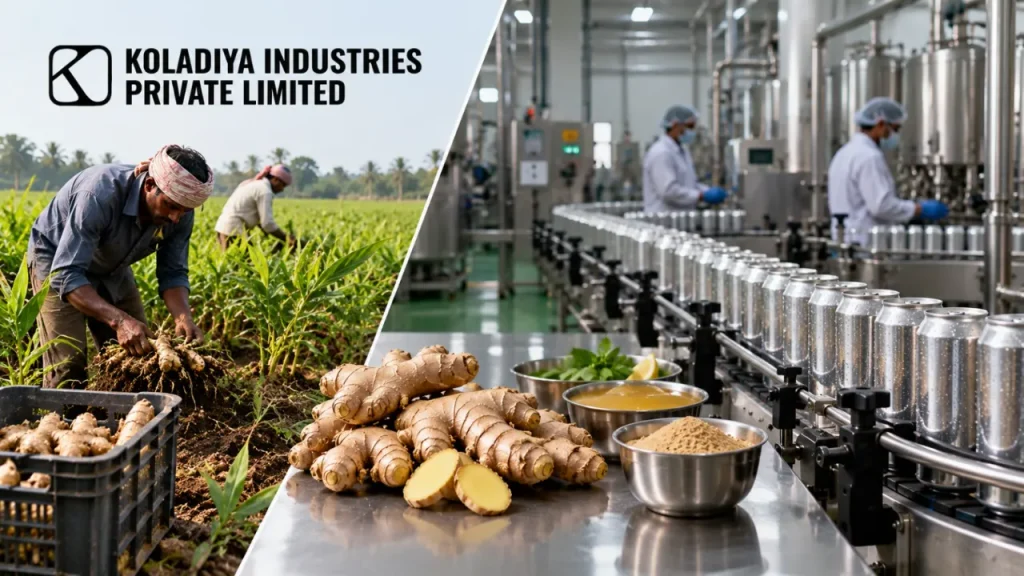
Koladiya Industries works in the beverage manufacturing space, making it a relevant potential partner for businesses exploring new beverage concepts. Brands interested in a Ginger Based Functional Beverage can evaluate contract manufacturing support according to their product specifications and commercial goals.
The development discussion may cover the beverage concept, ingredient requirements, flavour direction, packaging preferences, target market, and expected production volume. For brands exploring ginger-based energy drinks, the team should also assess the proposed caffeine system, functional ingredients, processing needs, and applicable compliance requirements.
Before proceeding, businesses should confirm the availability of the required formulation support, production technology, packaging format, minimum order quantity, and quality-control capabilities.
A clear project brief helps both parties evaluate feasibility and identify the next steps toward commercial production.
Conclusion
Creating a Ginger Based Functional Beverage involves careful planning across product positioning, ingredient selection, formulation, stability testing, packaging, and commercial production. Ginger can support a wide range of beverage concepts, from sparkling botanical refreshments to carefully formulated energy drinks.
However, long-term success depends on more than an appealing flavour. Brands must validate consumer demand, maintain product quality, comply with relevant regulations, and plan production according to realistic business goals.
With a well-planned development process and a suitable manufacturing partner, beverage entrepreneurs can transform a ginger-based concept into a distinctive product that aligns with their target market and business goals.
Develop Your Ginger Based Functional Beverage With Koladiya Industries
Are you planning to launch a ginger-based functional drink, botanical refreshment, or innovative energy drink? Koladiya Industries can be a potential manufacturing partner as you explore your beverage concept and commercial production requirements.
Contact Koladiya Industries to discuss your beverage idea, formulation goals, packaging preferences, and manufacturing requirements. Take the next step toward developing a distinctive beverage for your target market.
FAQ’s:
Which ingredients work well with ginger in functional beverages?
Lemon, lime, apple, pineapple, and selected botanical ingredients can complement ginger. Depending on the product concept, developers may also evaluate suitable vitamins, minerals, or other permitted functional ingredients.
Can ginger be used in energy drinks?
Yes. Brands can combine ginger flavour with an appropriate energy drink formulation, potentially including caffeine and selected vitamins. However, the finished product must meet applicable ingredient, safety, labelling, and regulatory requirements.
How can brands create a sugar-free ginger beverage?
Developers can evaluate permitted high-intensity sweeteners or other suitable sweetening systems. They should conduct sensory testing to balance ginger's heat, acidity, sweetness, and aftertaste.
Why is shelf-life testing important?
Shelf-life testing helps verify product stability, sensory quality, packaging compatibility, and microbiological safety throughout the proposed storage period.
Can startups use contract manufacturing for ginger beverages?
Yes. Contract manufacturing can help startups explore commercial production without independently establishing every manufacturing operation. However, brands should confirm the manufacturer's capabilities, minimum order quantities, costs, and quality standards.
How can Koladiya Industries help develop a ginger-based beverage?
Businesses can discuss their product concept, formulation requirements, packaging preferences, and expected production volumes with Koladiya Industries to assess potential manufacturing options and project feasibility.