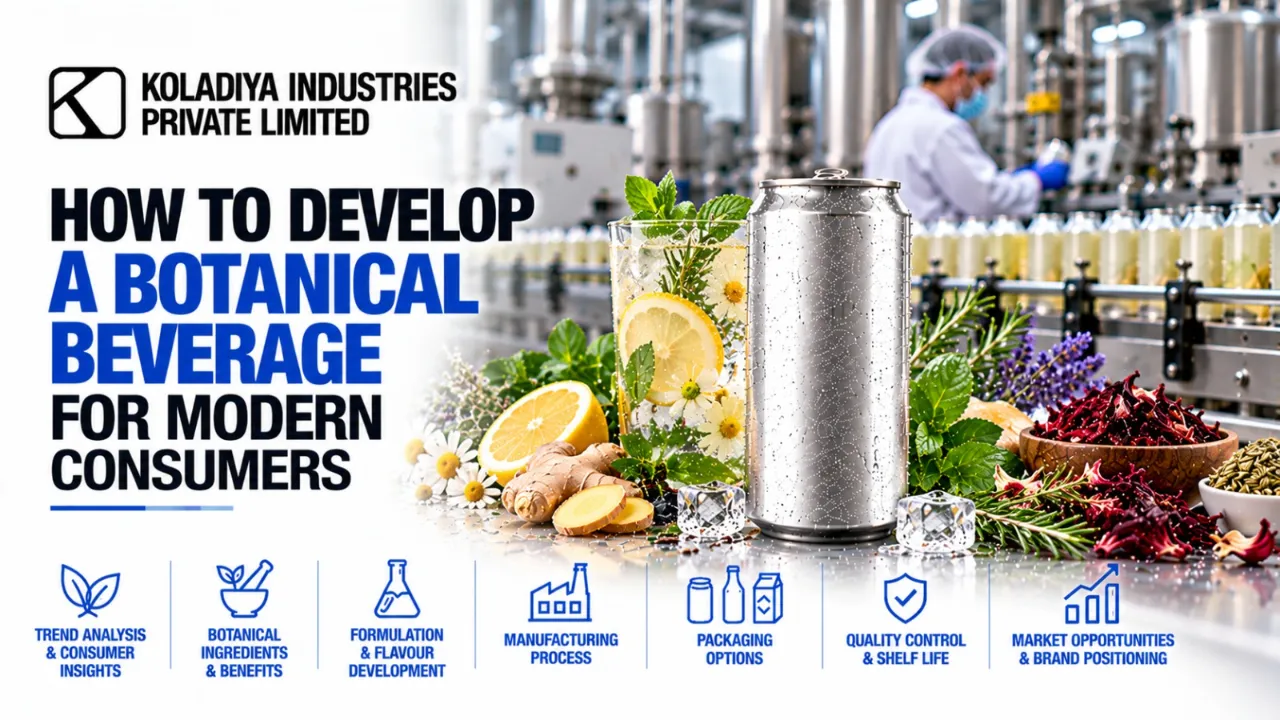
The beverage industry continues to evolve as consumers explore new flavours, refreshing drink options, and products inspired by plants and herbs. Consequently, botanical beverages have gained attention among beverage entrepreneurs seeking to introduce distinctive products to the market. These drinks use botanical ingredients such as ginger, hibiscus, mint, basil, rosemary, chamomile, and other herbs, spices, flowers, and plant extracts to create unique flavour experiences. For emerging beverage brands, developing a successful botanical beverage requires more than selecting interesting ingredients. Product developers must also consider flavour balance, formulation stability, food safety, packaging, shelf life, production costs, and consumer preferences.
Botanical ingredients can create opportunities for brands interested in functional beverages and energy drinks. By combining carefully selected botanical extracts with suitable beverage formulations, businesses can explore products that offer distinctive taste profiles and differentiated market positioning. Koladiya Industries can support beverage businesses exploring product development and manufacturing opportunities, helping them plan their concepts for commercial production.
What Is a Botanical Beverage?
A botanical beverage is a drink that incorporates ingredients derived from plants, including herbs, flowers, roots, spices, leaves, and botanical extracts. Depending on the formulation, these beverages can deliver floral, earthy, spicy, citrusy, or refreshing flavour profiles.
Popular botanical ingredients include:
- Ginger: Provides a warm, spicy flavour.
- Hibiscus: Adds a tart taste and vibrant colour.
- Mint: Creates a cooling, refreshing flavour.
- Basil: Introduces herbal notes.
- Rosemary: Offers a distinctive aromatic profile.
- Chamomile: Contributes gentle floral characteristics.
- Green tea: Adds a familiar tea flavour and naturally occurring caffeine.
Moreover, manufacturers can combine botanical ingredients with fruit juices, sparkling water, tea extracts, natural flavours, or other suitable components to develop distinctive beverage concepts.
However, ingredient selection should always reflect the intended product category, target consumers, safety requirements, and applicable food regulations.
Botanical Beverage Development: Identify Your Target Market
Before starting formulation, brands should define the consumers they want to reach. This decision influences ingredient selection, flavour development, packaging, pricing, and marketing.
Botanical Beverage for Health-Conscious Consumers
Some consumers seek beverages with recognisable plant-based ingredients and appealing flavour combinations. Brands can explore options such as hibiscus and citrus, ginger and lemon, or mint and cucumber.
Nevertheless, businesses should distinguish ingredient-based product positioning from health claims. Any claims concerning health benefits must have appropriate scientific support and comply with applicable regulations.
Botanical Beverage for Premium Drink Markets
Premium botanical beverages often focus on distinctive flavours, refined packaging, and carefully developed product identities. For example, a brand might combine rosemary with grapefruit or basil with lime to create an interesting alternative to conventional soft drinks.
Additionally, sparkling formats can give botanical beverages a refreshing character and make them suitable for premium retail, hospitality, and modern beverage collections.
Botanical Beverage for Energy Drink Consumers
Botanical ingredients can also contribute to energy drink development. Green tea extracts, for example, may provide naturally occurring caffeine, while selected botanical flavours can help create a distinctive taste profile.
Brands can explore concepts such as citrus and green tea energy drinks, ginger-infused energy beverages, or botanical energy drinks with refreshing herbal notes.
However, botanical ingredients do not automatically provide energy or improve physical performance. Manufacturers must evaluate caffeine levels, ingredient safety, formulation compatibility, and applicable energy drink regulations before making product claims.
Botanical Beverage Formulation: Choose the Right Ingredients
Ingredient selection forms the foundation of a successful botanical beverage. Although an ingredient may sound appealing, it must also perform well in the finished product.
Select Suitable Botanical Extracts
Botanical ingredients may enter a formulation as extracts, infusions, powders, or other approved forms. Each option can affect flavour intensity, colour, solubility, stability, and processing requirements.
Therefore, brands should evaluate ingredient specifications and work with qualified suppliers. Consistent ingredient quality also helps manufacturers maintain a repeatable flavour profile across production batches.
Develop a Balanced Flavour Profile
Botanical ingredients can taste bitter, earthy, floral, spicy, or intensely aromatic. Consequently, formulation teams must balance these characteristics with complementary ingredients.
For instance, lemon can brighten a ginger-based beverage, while citrus flavours may complement green tea. Similarly, hibiscus can work well with berry or tropical fruit notes.
During development, teams should assess sweetness, acidity, aroma, aftertaste, and overall drinkability. Small formulation adjustments can make the difference between an unusual concept and a beverage consumers want to purchase repeatedly.
Consider Sweeteners and Acidity
Sweeteners help balance bitterness and acidity, while suitable acidulants contribute tartness and flavour definition. Depending on the product concept, brands may explore sugar-based, reduced-sugar, or sugar-free formulations.
However, every adjustment can affect taste, stability, and processing requirements. Therefore, developers should test the complete formulation rather than evaluating individual ingredients in isolation.
Botanical Beverage Development: Combine Botanicals with Energy Drink Formulations
Energy drinks represent an additional opportunity for brands seeking to differentiate their beverage portfolios. Instead of relying exclusively on conventional fruit flavours, companies can investigate botanical combinations that offer a more distinctive sensory experience.
Explore Botanical Energy Drink Concepts
Potential concepts include:
- Green tea and citrus energy drinks.
- Ginger and lime energy beverages.
- Hibiscus and berry energy drink formulations.
- Mint and lemon energy beverages.
- Rosemary and grapefruit-inspired energy drinks.
These combinations represent development ideas rather than validated commercial formulations. Each concept requires ingredient compatibility checks, sensory testing, and regulatory review.
Evaluate Caffeine and Functional Ingredients
When developing a botanical energy drink, brands should determine whether the product will contain caffeine and identify its intended source. Green tea extracts and other suitable ingredients may contribute caffeine, depending on their specifications.
Furthermore, formulation teams must calculate the final caffeine concentration, assess interactions between ingredients, and verify compliance with relevant food regulations.
Brands should also avoid assuming that every botanical extract suits an energy drink. Some ingredients may introduce excessive bitterness, sediment, colour changes, or stability challenges.
Consequently, controlled trials and technical evaluations help determine whether the proposed combination can deliver a consistent commercial product.
Botanical Beverage Manufacturing: Testing and Quality Control
Once the formulation reaches a promising stage, manufacturers must evaluate whether it can maintain its quality throughout production and storage.
Conduct Product Stability and Shelf-Life Testing
Botanical ingredients can introduce challenges involving oxidation, colour changes, flavour deterioration, sedimentation, and ingredient interactions. Therefore, shelf-life testing should reflect the actual formulation, processing method, packaging, and intended storage conditions.
Depending on the product, testing may include microbiological assessments, physicochemical measurements, sensory evaluations, and packaging compatibility studies.
Moreover, brands should establish a realistic shelf-life target before committing to large production volumes.
Verify Food Safety and Ingredient Quality
Botanical ingredients require careful sourcing because their composition and quality can vary. Businesses should review supplier documentation, ingredient specifications, traceability records, and applicable safety requirements.
Manufacturers must also follow suitable hygiene practices and validated processing controls. For energy drinks, quality checks should additionally cover caffeine concentration and any other critical formulation parameters.
These measures help protect consumers and support consistency between production batches.
Botanical Beverage Packaging: Choose the Right Format
Packaging influences product presentation, convenience, distribution, and consumer perception. Therefore, brands should select a format that suits their beverage formulation and target market.
Aluminium Cans
Aluminium cans are a suitable packaging option for sparkling botanical drinks, premium refreshments, and certain energy beverages.
Their lightweight design also makes storage, transportation, and retail distribution more convenient.
PET Bottles
PET bottles can offer flexibility for suitable still or carbonated beverages, depending on the packaging specification. Their suitability depends on factors such as carbonation level, oxygen sensitivity, product acidity, and shelf-life expectations.
Glass Bottles
Glass bottles can enhance the premium appeal of botanical tonics, sparkling drinks, and specialty beverages.
However, brands should also evaluate transportation costs, breakage risks, packaging expenses, and distribution needs before choosing this format.
Ultimately, the best format depends on the formulation, production capabilities, target price, and retail strategy.
Botanical Beverage Development: Plan Commercial Production
A promising formulation must also work at commercial scale. Before launching, businesses should review production capacity, ingredient availability, minimum order quantities, packaging procurement, and manufacturing costs.
Initially, brands can develop samples and conduct sensory testing with their target consumers. Subsequently, pilot batches can help identify processing challenges and verify whether the beverage maintains its intended flavour and quality.
Furthermore, businesses should calculate the expected cost per unit, including ingredients, packaging, manufacturing, quality testing, logistics, and distribution. This assessment helps establish a realistic selling price and commercial margin.
When demand increases, production planning becomes even more important. Manufacturers need consistent raw material supplies, repeatable processing procedures, and effective quality controls to maintain product standards across larger batches.
For startups, working with an experienced beverage manufacturing partner can help simplify the transition from product concept to commercial production.
How Koladiya Industries Can Support Botanical Beverage Development
Koladiya Industries can be a relevant manufacturing partner for beverage businesses exploring botanical drinks, specialised flavour combinations, and energy drink concepts.
Brands should evaluate their manufacturing partner according to formulation requirements, production capabilities, packaging options, quality systems, and commercial objectives.
A structured development process can help businesses define their product concept, shortlist ingredients, refine the flavour profile, evaluate packaging formats, and prepare for manufacturing discussions.
For botanical energy drinks, additional attention should go towards caffeine specifications, ingredient compatibility, formulation stability, and regulatory compliance.
By planning these elements early, businesses can make better-informed decisions and prepare a stronger foundation for product launch.
Conclusion: Build a Distinctive Botanical Beverage Brand
Developing a botanical beverage for modern consumers requires a clear product concept, carefully selected ingredients, balanced flavours, appropriate packaging, and reliable quality controls. Moreover, botanical formulations can provide opportunities for brands to explore premium refreshments, sparkling drinks, and differentiated energy drink products.
However, commercial success depends on more than ingredient trends. Businesses must validate consumer demand, establish product stability, evaluate manufacturing costs, and follow applicable food regulations before launching.
With thoughtful planning and the right manufacturing approach, beverage entrepreneurs can transform botanical beverage concepts into products designed for modern retail markets.
Ready to Develop Your Botanical Beverage?
Are you planning to launch a botanical drink, herbal refreshment, or botanical-inspired energy beverage? Connect with Koladiya Industries to discuss your beverage manufacturing requirements, explore your product concept, and plan the next steps towards commercial production.
Turn your beverage idea into a well-planned product with a clear path to market.
FAQ’s
How do you develop a botanical beverage for modern consumers?
Start by identifying your target audience and selecting suitable botanical ingredients. Next, develop the flavour profile, test the formulation, evaluate shelf life, and choose packaging that fits your brand positioning.
Which ingredients are commonly used in botanical beverages?
Popular ingredients include ginger, hibiscus, mint, basil, rosemary, chamomile, and green tea. Manufacturers can combine these ingredients with citrus, fruit extracts, or sparkling water to create refreshing flavour combinations.
Can botanical ingredients be used in energy drink manufacturing?
Yes, botanical ingredients can add distinctive flavours to energy drinks. For example, green tea extracts may contribute naturally occurring caffeine, depending on the ingredient specification. However, developers must assess ingredient safety, caffeine levels, and regulatory requirements.
Which packaging options are suitable for botanical beverages?
Aluminium cans, PET bottles, and glass bottles can suit different botanical beverage formulations. The right choice depends on carbonation, ingredient stability, shelf-life requirements, distribution needs, and brand positioning.
How can manufacturers maintain botanical beverage quality?
Manufacturers should evaluate ingredient quality, flavour consistency, microbiological safety, formulation stability, and shelf life. Additionally, appropriate processing controls and packaging compatibility tests help maintain product quality during storage and distribution.
Can Koladiya Industries help with botanical beverage manufacturing?
Koladiya Industries can discuss your botanical beverage concept, formulation requirements, packaging preferences, and production goals. A structured manufacturing plan can help your brand prepare for commercial production.