Businesses across India constantly look for ways to improve production, reduce operating costs, and bring products to market faster. However, building a manufacturing facility requires significant investment, skilled employees, advanced equipment, and ongoing operational management. Therefore, many businesses choose the best contract manufacturing services in India to support their production needs and accelerate business growth. Contract manufacturing allows brands to partner with specialized manufacturers that produce goods according to their requirements. This arrangement helps businesses focus on branding, marketing, distribution, and customer relationships while their manufacturing partners handle production.
Moreover, India’s growing industrial infrastructure, skilled workforce, expanding supplier networks, and diverse manufacturing capabilities make the country an attractive destination for contract manufacturing. From beverages and packaged foods to personal care products and industrial goods, businesses can explore manufacturing partnerships across several industries. In this guide, we explain how contract manufacturing works, its benefits, the services manufacturers provide, and the factors businesses should consider when selecting a reliable manufacturing partner.
What Are Contract Manufacturing Services?
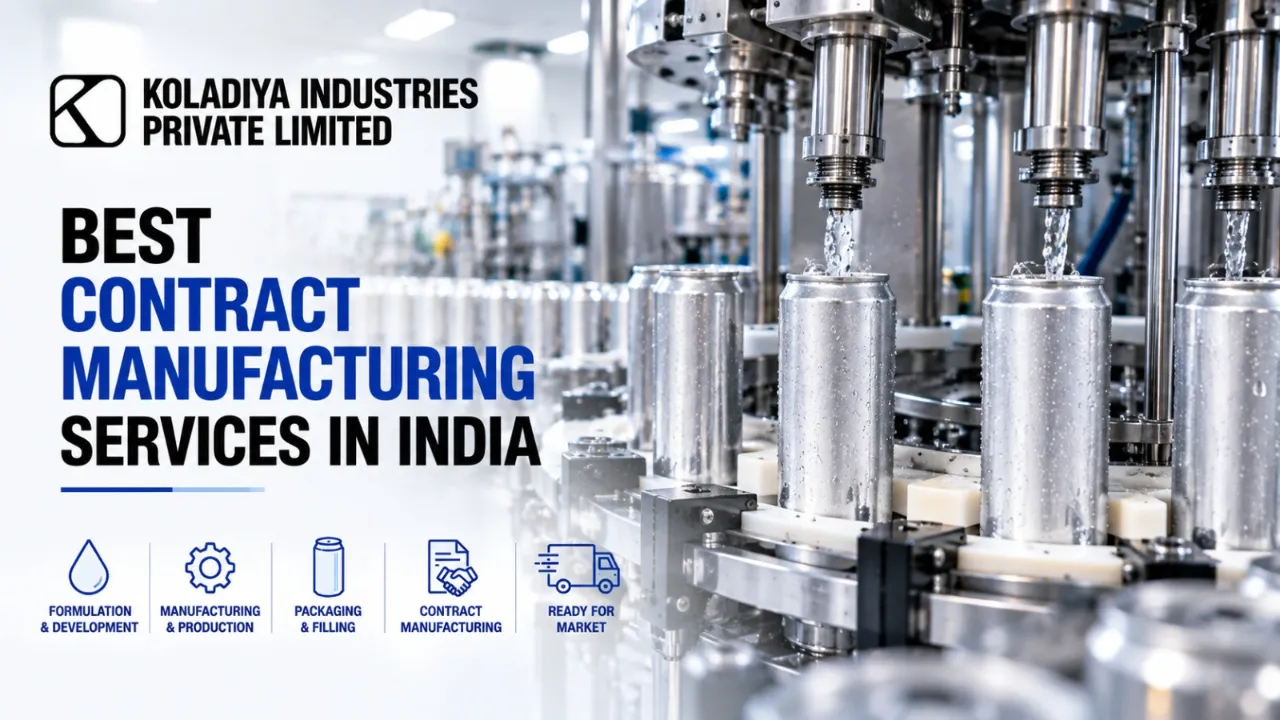
Contract manufacturing allows businesses to outsource product production to specialised companies that work according to their specific needs and quality standards. Instead of establishing and operating their own manufacturing facilities, brands can rely on experienced production partners to manage essential manufacturing tasks. Depending on the agreement, these services may include product research, raw material selection, formulation development, processing, packaging, quality inspections, and regulatory support. This approach enables businesses to focus on brand building, marketing, sales, and business expansion while their manufacturing partners manage the production process.
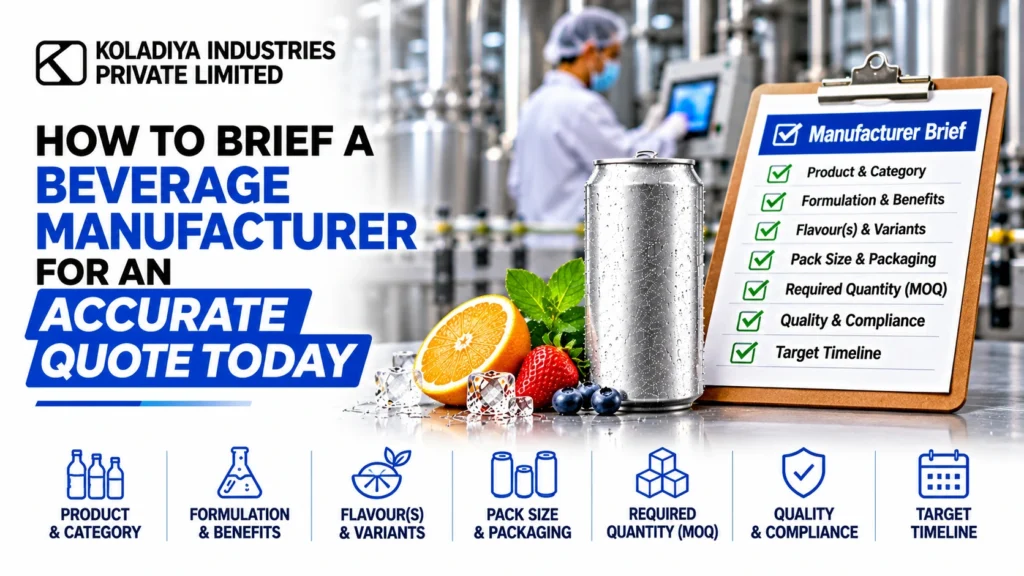
For example, a beverage brand that wants to introduce a new drink can collaborate with a beverage contract manufacturer instead of investing in its own production plant. The manufacturer can help develop the formulation, select suitable packaging, manage production, and prepare finished products according to agreed requirements. Similarly, food brands, cosmetic companies, pharmaceutical businesses, and consumer goods companies can use contract manufacturing to expand their product ranges without managing every stage of production themselves.
Why India Is a Growing Destination for Contract Manufacturing
India offers several advantages for businesses seeking reliable manufacturing services. India’s strong manufacturing infrastructure, growing consumer base, and extensive network of suppliers offer valuable opportunities for businesses of all sizes. First, manufacturers across India serve a wide range of product categories. Businesses can explore specialised partners that understand their industry’s technical and operational requirements.
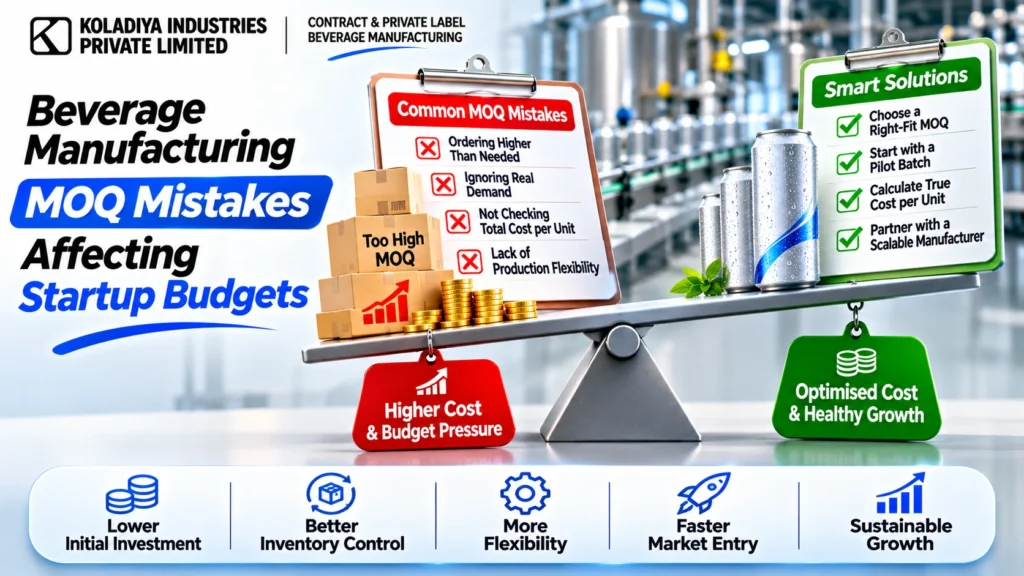
Second, India’s workforce includes professionals with experience in production, engineering, quality management, packaging, and supply chain operations. As a result, businesses can access relevant expertise through suitable manufacturing partnerships. Additionally, many manufacturers offer flexible production arrangements that help brands respond to changing market demand. Startups can explore smaller production runs where facilities and minimum order quantities allow, while established brands can evaluate larger production commitments.
Furthermore, India’s domestic consumer market creates opportunities for businesses that want to launch new products, enter additional regions, or expand their distribution networks. However, businesses should evaluate each manufacturer individually. Capabilities, pricing, production capacity, certifications, and service quality vary between providers.
Key Benefits of Contract Manufacturing Services in India
1. Lower Initial Investment
Setting up a manufacturing facility requires spending on land, machinery, utilities, labour, maintenance, and other operational needs. Contract manufacturing allows businesses to avoid many of these initial expenses.
Instead, companies can use an existing production infrastructure and allocate more capital to product development, marketing, distribution, and customer acquisition.
Consequently, this model can help startups and growing brands manage their budgets more efficiently.
2. Access to Manufacturing Expertise
Experienced manufacturers understand production workflows, equipment requirements, material selection, and quality management practices. Their knowledge can help businesses develop products more efficiently and avoid common production challenges.
Moreover, the right manufacturing partner can recommend practical improvements to product formulations, packaging formats, and production methods.
3. Faster Product Launches
Building a production facility from scratch can delay a product launch. Businesses must arrange equipment, recruit employees, establish processes, and validate production before they begin commercial manufacturing.
An established contract manufacturer may already have the necessary infrastructure and trained personnel. Therefore, businesses can potentially shorten development and launch timelines, depending on product complexity and regulatory requirements.
4. Flexible Production Capacity
Market demand often changes with seasons, customer preferences, promotional campaigns, and distribution expansion. Contract manufacturing can help brands adjust production volumes without independently managing an entire facility.
However, businesses should confirm minimum order quantities, available capacity, lead times, and expansion options before signing an agreement.
5. Greater Focus on Core Business Activities
Manufacturing involves detailed operational planning and continuous production management. By outsourcing suitable activities, businesses can spend more time developing their brands, building sales channels, improving customer service, and exploring new markets. Contract manufacturing can support a more focused business strategy.
Major Industries That Use Contract Manufacturing
Contract manufacturing serves many industries, and each sector requires specific technical capabilities and quality controls.
- Beverage manufacturing: Beverage brands can partner with specialised manufacturers to produce packaged drinking products, functional beverages, hydration drinks, and other suitable beverage categories. Depending on the facility, services may include formulation support, processing, filling, packaging, and quality testing.
- Food manufacturing: Food businesses can outsource selected production activities for snacks, ready-to-eat products, sauces, mixes, and packaged food items. Manufacturers must follow appropriate food safety and hygiene practices.
- Personal care and cosmetics: Companies that sell skincare, haircare, and personal care products can work with specialised facilities for formulation, blending, filling, and packaging. Product safety and applicable regulatory requirements remain important considerations.
- Pharmaceuticals and healthcare products: Businesses may collaborate with qualified manufacturers for eligible pharmaceutical and healthcare product categories. These partnerships require suitable licences, specialised quality systems, and strict regulatory compliance.
- Consumer goods and industrial products: Manufacturers also support companies that need components, assembled goods, packaging materials, and other products for commercial or industrial use.
Therefore, businesses should select a partner based on the product category rather than choosing a manufacturer solely because it offers a low price.
Essential Services Offered by Contract Manufacturers
The scope of contract manufacturing varies by provider. Nevertheless, many manufacturers offer several services that help businesses manage the production process.
Product Development and Formulation
Product development helps businesses convert an initial idea into a practical product. Depending on their capabilities, manufacturers may assist with ingredient selection, product trials, formulation adjustments, and production feasibility.
This stage also helps businesses evaluate product consistency, expected costs, packaging compatibility, and target-market requirements.
Raw Material Sourcing
Manufacturers may coordinate with approved suppliers to source ingredients, components, and other production materials. Reliable sourcing practices can support consistent production and help businesses maintain material specifications.
Additionally, businesses should understand how manufacturers evaluate suppliers and manage material traceability.
Production and Processing
Production represents the central stage of contract manufacturing. Depending on the product, this stage may include mixing, blending, processing, assembly, filling, or other specialised operations.
An experienced manufacturer uses suitable equipment, documented procedures, and trained personnel to maintain production consistency.
Quality Control and Testing
Quality management helps manufacturers identify production issues and maintain agreed product specifications. Relevant checks may cover raw materials, production conditions, packaging integrity, finished-product characteristics, and traceability.
Businesses should review a manufacturer’s quality procedures, testing capabilities, documentation practices, and applicable certifications before entering a partnership.
Packaging and Labelling
Packaging protects products, communicates brand information, and supports distribution. Contract manufacturers may provide packaging selection, filling, labelling, coding, and packing services, depending on their facilities.
Meanwhile, businesses should confirm that packaging materials, product labels, and required declarations comply with applicable regulations.
How to Choose the Best Contract Manufacturing Company in India
Selecting the right manufacturer requires careful research and comparison. A suitable partner should understand your product requirements, production targets, quality expectations, and long-term business plans.
Evaluate industry experience: Review the manufacturer’s experience with similar products, production processes, and packaging formats. Relevant experience can help reduce avoidable development and production challenges.
Check quality standards and compliance: Verify applicable licences, certifications, quality systems, and regulatory capabilities. Requirements differ by industry and product category, so confirm that the manufacturer meets the standards relevant to your business.
Understand production capacity: Discuss minimum order quantities, monthly capacity, production schedules, lead times, and options for increasing volumes as demand grows.
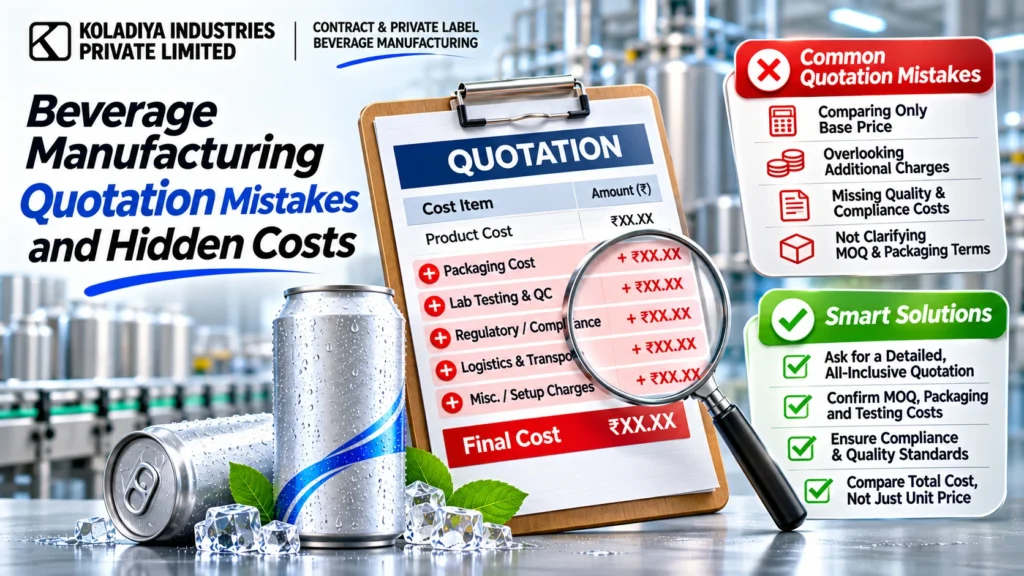
Compare total costs: Request a clear quotation that covers relevant formulation, materials, manufacturing, packaging, testing, and additional service charges. A low unit price may not offer the best value if the manufacturer lacks reliability or charges significant extra fees.
Review communication and transparency: Reliable partners communicate clearly about timelines, costs, product specifications, and production challenges. Establishing responsibilities early can prevent misunderstandings later.
Clarify ownership and confidentiality: Discuss product formulas, intellectual property, approved suppliers, branding assets, and confidentiality obligations before sharing sensitive business information. Put important responsibilities and commercial terms into a written agreement.
The Contract Manufacturing Process: From Idea to Finished Product
A structured manufacturing process helps businesses manage expectations and prepare for commercial production.
First, the brand defines its product concept, target customers, required specifications, budget, and expected order volume. Next, it evaluates suitable manufacturers and discusses technical requirements with shortlisted providers.
After selecting a partner, both parties review formulation, sourcing, packaging, production timelines, quality requirements, and pricing. Depending on the product, the manufacturer may develop samples or conduct trial production before moving to full-scale manufacturing.
Once the brand approves the product specifications and both parties complete the necessary checks, the manufacturer schedules production. The production team follows agreed processes, conducts relevant quality checks, and prepares finished goods for delivery.
Finally, the brand reviews the delivered products, monitors market response, and shares feedback with its manufacturing partner. This ongoing communication can help both parties improve production planning and support future growth.
Future Opportunities for Contract Manufacturing in India
Changing consumer preferences and evolving business models continue to create opportunities across India’s manufacturing sector. Businesses increasingly seek specialised products, convenient packaging, consistent quality, and efficient production arrangements.
At the same time, digital inventory tools, improved process monitoring, and better supply chain coordination can help manufacturers manage operations more effectively. However, technology adoption and capabilities differ between facilities.
Growing brands can benefit from these developments by choosing manufacturing partners that invest in relevant technology, workforce training, quality improvement, and responsible resource management.
Furthermore, businesses that plan for future demand should consider scalability from the beginning. A manufacturing partner that can support product improvements, packaging changes, and increased order volumes may provide greater long-term value than one that meets only immediate needs.
Conclusion
Choosing the best contract manufacturing services in India can help businesses reduce infrastructure requirements, access specialised expertise, and expand production according to market demand. Whether a company operates in beverages, food, personal care, pharmaceuticals, or consumer goods, the right manufacturing partnership can support product development and commercial growth.
However, businesses should evaluate manufacturers carefully before making a decision. Industry experience, production capacity, quality management, regulatory compliance, pricing transparency, and communication all play important roles in a successful partnership.
Ultimately, the best contract manufacturer does more than produce goods. It works with your business to maintain product consistency, meet agreed requirements, improve operational efficiency, and support long-term growth. By selecting a partner whose capabilities align with your goals, you can build a stronger foundation for your brand and respond more effectively to changing market opportunities.
FAQ’s
What industries benefit from contract manufacturing in India?
Industries such as beverages, food processing, cosmetics, personal care, pharmaceuticals, and consumer goods can benefit from contract manufacturing services.
What are the benefits of contract manufacturing services?
Contract manufacturing helps businesses reduce infrastructure costs, access specialised expertise, improve production efficiency, and focus on marketing, sales, and brand development.
How do I choose the best contract manufacturing company in India?
Compare industry experience, production capacity, quality standards, applicable certifications, pricing, minimum order quantities, and communication before selecting a manufacturing partner.
Do contract manufacturers provide product development and packaging?
Yes, many contract manufacturers offer product development, formulation, raw material sourcing, production, quality testing, and customised packaging, depending on their capabilities.
Are contract manufacturing services suitable for startups?
Yes, contract manufacturing can help startups launch products without investing in their own production facilities. However, minimum order quantities and initial costs vary by manufacturer.
How much do contract manufacturing services cost in India?
Costs depend on product type, raw materials, formulation, order quantity, packaging, testing, and production complexity. Businesses should request a detailed quotation to estimate the total investment.