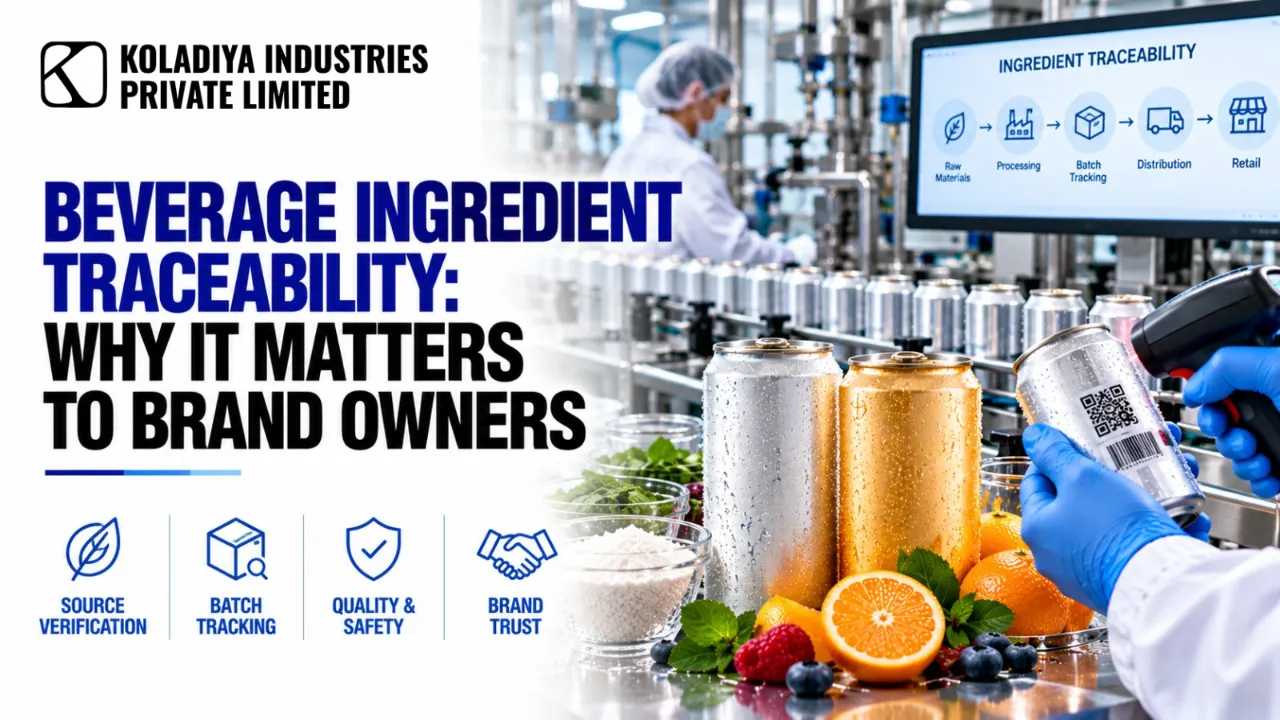
In the competitive beverage industry, product quality, consumer safety, and brand reputation play a crucial role in long-term success. Customers expect every bottle, can, or carton to deliver consistent taste, reliable quality, and safe ingredients. Therefore, beverage manufacturers and brand owners need a dependable system to track ingredients throughout the supply chain. This is where Beverage Ingredient Traceability becomes essential. Beverage ingredient traceability allows businesses to track raw materials from their original sources to the finished product. It helps manufacturers identify ingredient suppliers, monitor production batches, maintain quality standards, and respond quickly to potential safety concerns. Moreover, effective traceability supports regulatory compliance, improves supply chain transparency, and builds consumer confidence.
For beverage brands working with contract manufacturers, ingredient traceability becomes even more important. A transparent manufacturing process helps brand owners understand where ingredients come from, how manufacturers handle them, and which production batches contain specific materials. Koladiya Industries recognizes the importance of reliable manufacturing practices, consistent product quality, and efficient production processes in helping beverage brands develop and scale their products.
What Is Beverage Ingredient Traceability?
Beverage ingredient traceability refers to the ability to track ingredients throughout every stage of beverage production. This process begins with sourcing raw materials and continues through receiving, storage, formulation, processing, packaging, and distribution. For example, a beverage manufacturer producing an energy drink may use water, sweeteners, caffeine, vitamins, flavors, and other functional ingredients. A traceability system records relevant information about these materials, including supplier details, lot numbers, receiving dates, quality inspection results, and the finished batches that use them. Consequently, manufacturers can identify the origin and movement of individual ingredients whenever questions arise about product quality or safety.
An effective traceability system typically includes:
- Supplier identification and approval records.
- Ingredient specifications and certificates of analysis, where applicable.
- Raw material lot and batch numbers.
- Receiving, storage, and inventory records.
- Production and formulation documentation.
- Quality testing and inspection results.
- Packaging and finished-product batch records.
- Distribution records that support product recalls when necessary.
Together, these records create a clear connection between raw materials and finished beverages.
Why Beverage Ingredient Traceability Matters to Brand Owners
1. Beverage Ingredient Traceability Improves Product Safety
Consumer safety remains one of the most important responsibilities for beverage brands. Contaminated ingredients, undeclared allergens, incorrect material handling, or supplier quality failures can create serious risks.
Beverage ingredient traceability helps manufacturers identify the ingredients used in specific production batches. If a supplier reports a contamination issue, manufacturers can quickly determine whether the affected material entered their production process.
Furthermore, traceability helps quality teams isolate potentially affected products and investigate the source of a problem. This targeted approach reduces unnecessary disruption while supporting faster, more informed decisions.
As a result, brand owners gain greater control over product safety and can respond more effectively to emerging risks.
2. Beverage Ingredient Traceability Supports Quality Consistency
Consumers expect their favorite beverages to deliver the same taste, aroma, color, texture, and performance every time they purchase them. However, variations in raw materials can affect the final product.
For instance, differences in fruit concentrate, sweetener quality, flavor intensity, or water characteristics may influence the finished beverage. Without accurate ingredient records, identifying the cause of these variations becomes more difficult.
Beverage ingredient traceability allows quality teams to connect production outcomes with specific ingredient lots and suppliers. They can compare batch records, review test results, and investigate unusual variations.
Additionally, these insights help manufacturers refine their quality control procedures and maintain consistent product standards across production runs.
3. Beverage Ingredient Traceability Strengthens Supplier Accountability
A beverage brand’s quality depends partly on the reliability of its ingredient suppliers. Therefore, businesses need accurate information about supplier performance, material specifications, and incoming ingredient quality.
A structured traceability system records where ingredients originate and which suppliers provide them. It also helps businesses evaluate supplier documentation, identify recurring quality issues, and maintain consistent purchasing standards.
For example, if several production batches show similar quality problems, the manufacturer can examine supplier records to determine whether a particular ingredient or material lot contributed to the issue.
Consequently, brand owners can make better sourcing decisions, improve supplier communication, and reduce dependence on suppliers that repeatedly fail to meet established requirements.
4. Beverage Ingredient Traceability Makes Product Recalls More Efficient
Product recalls can damage consumer confidence, interrupt distribution, and increase operational costs. However, businesses with incomplete records may struggle to determine which products contain an affected ingredient.
Beverage ingredient traceability creates a documented link between incoming raw materials, production batches, packaging records, and finished products.
When a quality or safety issue arises, manufacturers can use these records to identify potentially affected batches and trace their distribution.
Moreover, accurate information helps teams coordinate with distributors, retailers, and other supply chain partners. A well-maintained system can therefore support faster investigations and more targeted recall decisions.
Ultimately, traceability helps brand owners manage product-related incidents with greater precision and accountability.
5. Beverage Ingredient Traceability Supports Regulatory Compliance
Beverage manufacturers must follow applicable food safety, labeling, recordkeeping, and manufacturing requirements. These obligations vary according to the product, ingredients, market, and jurisdiction.
Ingredient traceability supports compliance by maintaining records that explain where materials came from, how manufacturers used them, and which finished products contain them.
In addition, organized documentation makes internal audits, supplier reviews, and regulatory inspections easier to manage. Businesses can retrieve relevant batch information instead of relying on incomplete paperwork or informal communication.
However, traceability alone does not guarantee compliance. Manufacturers must also maintain appropriate hygiene practices, ingredient controls, validated processes where necessary, and accurate product labels.
When businesses combine these measures, they establish a stronger foundation for responsible beverage production.
6. Beverage Ingredient Traceability Builds Consumer Trust
Today’s consumers increasingly want to understand the products they purchase. Depending on the beverage category, they may pay close attention to ingredient quality, sourcing practices, nutritional information, and manufacturing standards.
Beverage ingredient traceability helps brands maintain reliable internal records that support these expectations. It also enables businesses to investigate ingredient-related questions and provide accurate information when appropriate.
For example, a brand that uses fruit extracts, plant-based ingredients, vitamins, or specialty sweeteners may need clear documentation about ingredient identity and sourcing.
Furthermore, dependable traceability supports transparent communication between manufacturers, brand owners, retailers, and consumers. Over time, this transparency can strengthen brand credibility and customer loyalty.
7. Beverage Ingredient Traceability Improves Supply Chain Management
Ingredient shortages, delivery delays, inaccurate inventory records, and supplier disruptions can affect beverage production schedules. Without reliable tracking, manufacturers may struggle to identify available materials or determine which production batches depend on specific ingredients.
Beverage ingredient traceability connects ingredient records with inventory and production planning. This visibility helps teams track incoming materials, monitor stock movement, and identify potential supply interruptions.
Additionally, businesses can use historical records to evaluate supplier reliability and plan future purchasing more effectively.
Consequently, improved traceability can reduce avoidable production delays, support better inventory control, and help beverage brands maintain dependable product availability.
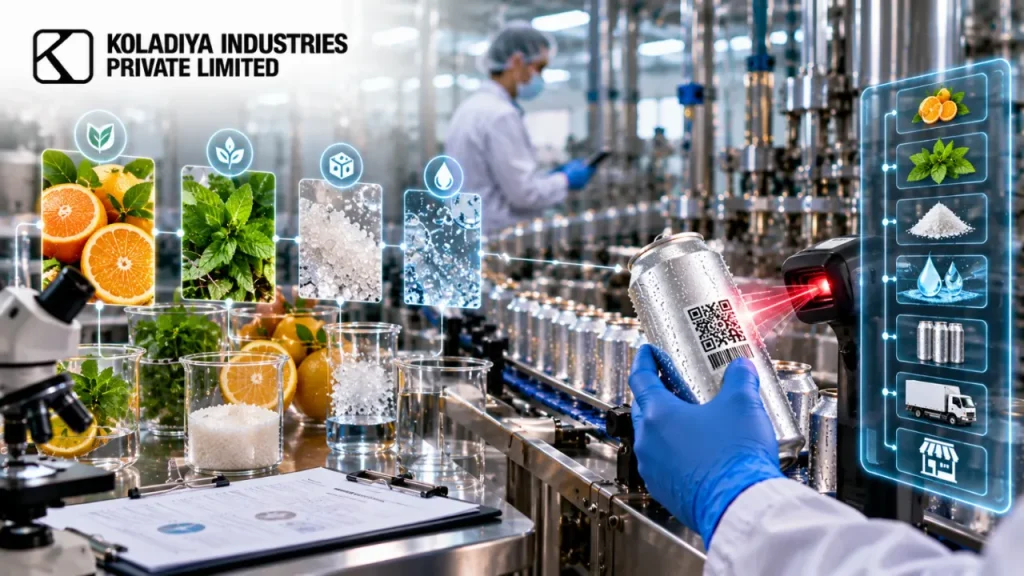
How Beverage Ingredient Traceability Works in Manufacturing
An effective traceability system follows ingredients through a series of connected production stages.
Step 1: Approve Ingredient Suppliers
Manufacturers assess suppliers against defined quality and safety requirements. They collect relevant specifications, certifications, and supporting documents before approving materials for production.
Step 2: Record Incoming Ingredients
When ingredients arrive, receiving teams verify material identification, supplier details, lot numbers, quantities, and required documentation. They also conduct appropriate inspections and testing before releasing materials for use.
Step 3: Maintain Ingredient Storage Records
Manufacturers record ingredient locations, stock movement, and relevant storage conditions. Proper inventory controls help prevent mix-ups, deterioration, and the use of unsuitable materials.
Step 4: Link Ingredients to Production Batches
During manufacturing, production teams document the ingredient lots used in each batch. They also record relevant formulation details, processing information, and quality checks.
Step 5: Track Finished Products
Manufacturers connect production batch records with finished-product identification, packaging information, and distribution records. This connection allows teams to trace products forward to customers and trace ingredients backward to their sources.
Step 6: Review and Update Records
Regular reviews help businesses identify missing information, correct documentation gaps, and improve traceability procedures. Periodic mock recalls also test whether teams can retrieve accurate information within an appropriate timeframe.
By following these steps, beverage manufacturers can establish a practical and reliable traceability process.
Common Challenges in Beverage Ingredient Traceability
Although traceability offers significant benefits, manufacturers may face several operational challenges.
Incomplete supplier documentation: Missing certificates, inaccurate lot numbers, or inconsistent material descriptions can create gaps in ingredient records.
Manual recordkeeping: Paper-based systems and disconnected spreadsheets may increase the risk of errors, duplicate entries, and delays in retrieving information.
Complex ingredient sourcing: Beverages containing multiple ingredients from different suppliers require careful coordination and documentation.
Poor communication: Manufacturers, ingredient suppliers, logistics providers, and brand owners must exchange accurate information to maintain traceability across the supply chain.
Limited system integration: When purchasing, inventory, production, quality, and distribution systems operate separately, businesses may struggle to connect records quickly.
To address these challenges, manufacturers should standardize documentation, establish clear responsibilities, train employees, and use digital tracking tools when appropriate. In addition, regular traceability exercises help teams identify weaknesses before an actual incident occurs.
Best Practices for Effective Beverage Ingredient Traceability
Brand owners and beverage manufacturers can strengthen their traceability programs through several practical measures.
- Standardize batch identification: Use consistent lot numbering and labeling procedures for incoming ingredients and finished products.
- Maintain accurate records: Document material movement, production usage, quality checks, and distribution details.
- Evaluate suppliers regularly: Review supplier performance and confirm that incoming ingredients meet established specifications.
- Use digital traceability systems: Consider suitable inventory, manufacturing, or enterprise software to improve record accessibility and reduce manual errors.
- Train production teams: Ensure employees understand documentation requirements and the importance of accurate ingredient handling.
- Conduct mock recalls: Test whether teams can trace ingredients forward into finished products and backward to their original suppliers.
- Review procedures regularly: Update traceability practices when products, suppliers, manufacturing processes, or applicable requirements change.
Above all, businesses should design traceability procedures around their actual products, operational risks, and regulatory obligations.
How Koladiya Industries Can Support Beverage Brand Owners
Choosing a manufacturing partner involves more than evaluating production capacity. Brand owners also need to understand how a partner approaches ingredient handling, batch documentation, quality control, and production consistency.
Koladiya Industries can be considered by beverage brands seeking manufacturing support and a more structured approach to product development and production. When evaluating a partnership, brand owners should discuss ingredient sourcing responsibilities, supplier approval procedures, batch-level documentation, quality testing, storage practices, and recall readiness.
These discussions help establish clear expectations before production begins.
Furthermore, aligning ingredient specifications, documentation standards, and quality requirements at the start of a project can reduce misunderstandings as production scales. Businesses should confirm the specific traceability capabilities, certifications, and quality systems available from their chosen manufacturing partner before finalizing an agreement.
With the right processes and communication, beverage brands can build a stronger foundation for product consistency, operational efficiency, and long-term growth.
Conclusion
Beverage ingredient traceability plays a vital role in modern beverage manufacturing. It helps brand owners protect consumer safety, maintain consistent product quality, strengthen supplier accountability, simplify recall investigations, and support regulatory compliance.
Moreover, reliable ingredient records improve supply chain visibility and help businesses respond more effectively to production challenges. As beverage brands expand their product ranges and enter new markets, a structured traceability system becomes increasingly valuable.
Ultimately, successful traceability depends on accurate records, dependable supplier relationships, trained employees, and consistent quality management. By prioritizing these practices and working with a suitable manufacturing partner, beverage brands can protect their reputation and build lasting consumer trust.
Partner with Koladiya Industries
Looking to develop or scale your beverage brand with a focus on product quality and reliable manufacturing processes?
Connect with Koladiya Industries to discuss your beverage manufacturing requirements, ingredient handling expectations, production goals, and quality standards. Build a stronger foundation for your beverage products with a manufacturing partnership aligned with your brand’s growth objectives.
FAQ’s
Why is beverage ingredient traceability important for brand owners?
Beverage ingredient traceability helps brand owners maintain quality standards, improve transparency, and identify potential issues quickly. It also supports product recalls, strengthens consumer trust, and helps businesses manage supply chain risks.
How does beverage ingredient traceability improve beverage quality control?
Beverage ingredient traceability allows manufacturers to verify ingredient sources, review batch information, and monitor quality throughout production. As a result, businesses can identify inconsistencies early and maintain consistent taste, appearance, and product quality.
How does ingredient traceability help with beverage product recalls?
Ingredient traceability helps manufacturers identify affected ingredients and production batches when a quality or safety issue occurs. Consequently, brand owners can respond faster, limit product distribution risks, and support more targeted recalls.
What information should beverage manufacturers track for ingredient traceability?
Beverage manufacturers should track supplier details, ingredient names, lot numbers, delivery dates, quality inspection results, production batch records, and finished product distribution details. Accurate documentation improves accountability and simplifies quality investigations.
How can contract beverage manufacturing support ingredient traceability?
A contract beverage manufacturer can support ingredient traceability through documented sourcing, batch-level records, quality control procedures, and production monitoring. At Koladiya Industries, brand owners can discuss their ingredient documentation, manufacturing requirements, and quality expectations to support a reliable beverage production process.
How can Koladiya Industries help beverage brands maintain ingredient traceability?
Koladiya Industries can work with beverage brands to understand their manufacturing needs, ingredient specifications, and quality documentation requirements. Clear communication and appropriate production records help businesses improve transparency, maintain consistency, and build confidence in their beverage products.